

Why Is My Dog Drinking So Much Water?
4 min read
Written and checked by Kerri, veterinary nurse · last reviewed October 2026 · who writes this
Why Is My Dog Drinking So Much Water?
It is common for owners to notice when their dog starts visiting the water bowl more frequently. While sometimes it is just a hot day or extra exercise, a sudden, persistent increase in thirst—medically known as polydipsia—can be a sign that your dog’s body is trying to tell you something important.
How much water is too much?
Most dogs drink between 20 to 50 milliliters of water per kilogram of body weight each day. If you notice your dog is consistently emptying their bowl faster than usual, or if you find yourself refilling it multiple times a day, it is worth paying closer attention.
To get a better idea of what is normal for your dog, try measuring how much water you put in their bowl over a 24-hour period. This information is incredibly helpful for your vet if you decide to book an appointment.
What are the common causes of increased thirst?
Increased thirst is often a symptom of an underlying condition rather than a disease itself. Some of the most common reasons include:
- Diabetes: Just like in humans, diabetes can cause dogs to drink more and urinate more frequently.
- Kidney Issues: When kidneys aren't functioning at their best, they may struggle to concentrate urine, leading to increased water loss and a compensatory need to drink more.
- Cushing’s Disease: This hormonal imbalance can cause a variety of symptoms, with excessive thirst and hunger being two of the most common.
- Medications: Certain drugs, such as steroids, can cause a temporary increase in thirst.
- Infections: Conditions like a urinary tract infection (UTI) can sometimes lead to changes in drinking habits.
When to call your vet
While a one-off day of extra drinking after a long hike is usually nothing to worry about, you should contact your vet if you notice any of the following:
- The increased thirst has lasted for more than 24–48 hours.
- Your dog is also urinating more frequently or having accidents in the house.
- You notice other changes, such as lethargy, weight loss, a change in appetite, or vomiting.
- Your dog seems generally "off" or less energetic than usual.
When you call, be prepared to tell your vet how long this has been going on and if you have noticed any other behavioral changes. This article is educational and isn't a substitute for veterinary advice. If you're worried about your dog, call your vet.
Gear Kerri recommends
A few things that make this easier. As an Amazon Associate, Floyd's Love earns from qualifying purchases — at no extra cost to you.

Portable Leak-Proof Dog Water Bottle with Collapsible Bowl, 10 oz
A leak-proof, one-handed water dispenser, rated highly in [Best Dog Water Bottles of 2026](https://www.treelinereview.com/gearreviews/best-dog-water-bottles), makes it easy to keep your dog hydrated during practice drives and long journeys.
Shop this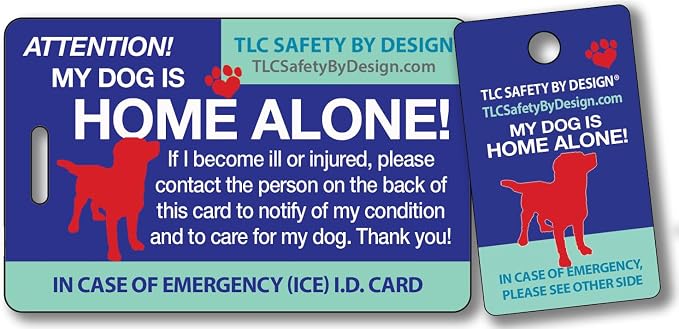
My Dog is Home Alone Pet Alert Emergency ICE ID Card
Ensures your vet and emergency contact information are always in your wallet so you can call for help immediately during a crisis.
Shop this
Oxyfresh Advanced Ear Cleanser for Dogs & Cats
A gentle, vet-approved ear cleaner that helps remove wax and debris without the use of harsh chemicals.
Shop this
Vet's Best Dog Toothpaste & Toothbrush Dental Care Kit
This kit provides the 'gold standard' of care with dog-safe enzymatic toothpaste and a brush to prevent painful dental disease.
Shop this
Oxyfresh Premium Pet Dental Care Solution
A simple supplement to brushing that helps fight bacteria and bad breath, which the content notes is a key sign of dental problems.
Shop this
Walkin' Pet Transport Stretcher for Dogs
Allows for the safe and stable transport of a dog experiencing collapse, unconsciousness, or internal injuries from a car accident.
Shop thisFloyd's Love is educational. Our lessons, breed guides, and personalized assessments are for general information and preparation only — they are not a substitute for professional veterinary care or advice from a qualified veterinarian or animal behaviorist. Always consult your vet for medical concerns and a qualified professional for behavior issues.