

Why is my dog shaking? Common reasons for shivering and trembling
4 min read
Written and checked by Kerri, veterinary nurse · last reviewed October 2026 · who writes this
Why is my dog shaking? Common reasons for shivering and trembling
Seeing your dog shake or shiver can be worrying, but it isn't always a cause for alarm. Dogs tremble for a wide variety of reasons, from simple excitement to physical pain or feeling a bit chilly, according to Dog Shivering and Trembling: Causes and Treatments.
Is my dog shaking because they are cold?
Shivering is a natural way for a dog's body to generate heat when their core temperature drops. Small breeds, dogs with thin coats (like Greyhounds), and senior dogs are much more sensitive to the cold and may start shaking even in mild temperatures. If the shaking stops once you wrap them in a blanket or bring them inside, they were likely just chilly.
Can excitement or "happy shakes" cause trembling?
Yes, many dogs physically tremble when they are extremely excited or anticipating something they love. This is often seen when you come home from work, right before a walk, or when they see a favorite toy. This type of shaking is normal and usually stops once the dog calms down or the activity begins.
Is my dog shaking because they are in pain or sick?
Shivering is a very common, subtle sign of physical discomfort or hidden pain in dogs. As noted in 7 Common Worries of Pet Owners, pets often can't vocalize when something is wrong, so they use physical cues like trembling to show they aren't feeling well. If your dog is shaking while resting, or if the trembling is concentrated in their hind legs, it could indicate issues like arthritis, back pain, or an upset stomach.
Could it be a sign of anxiety or fear?
Dogs often shake when they are feeling stressed, anxious, or afraid of their environment. Common triggers include thunderstorms, fireworks, or visits to the vet. This type of shaking is usually accompanied by other body language cues like panting, pacing, or tucking their tail between their legs.
When should I call the vet about my dog's shaking?
You should contact your veterinarian if the shaking is persistent, violent, or accompanied by other concerning symptoms. While some shaking is normal, you should seek professional advice if you notice:
- Shaking that doesn't stop when the dog is warmed or calmed.
- Lethargy or weakness, or a refusal to eat.
- Vomiting, diarrhea, or stumbling.
- Signs of a seizure, such as muscle rigidity or loss of consciousness.
This article is educational and isn't a substitute for veterinary advice. If you're worried about your dog, call your vet.
Gear Kerri recommends
A few things that make this easier. As an Amazon Associate, Floyd's Love earns from qualifying purchases — at no extra cost to you.

Portable Leak-Proof Dog Water Bottle with Collapsible Bowl, 10 oz
A leak-proof, one-handed water dispenser, rated highly in [Best Dog Water Bottles of 2026](https://www.treelinereview.com/gearreviews/best-dog-water-bottles), makes it easy to keep your dog hydrated during practice drives and long journeys.
Shop this
GoTags Stainless Steel Pet ID Tags
Ensuring your dog has a durable, legible ID tag is the most critical step to bringing them home if travel goes sideways, as emphasized in the travel guide.
Shop this
FDK 8-Second Dog & Cat Thermometer
Provides a quick, accurate way to check for a fever at home when your dog is acting off or lethargic.
Shop this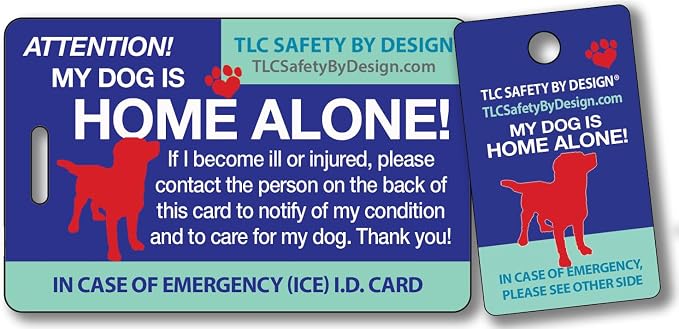
My Dog is Home Alone Pet Alert Emergency ICE ID Card
Ensures your vet and emergency contact information are always in your wallet so you can call for help immediately during a crisis.
Shop this
Hertzko Self-Cleaning Slicker Brush
An effective tool for daily brushing to prevent mats and distribute healthy oils across your dog's coat.
Shop this
Oxyfresh Advanced Ear Cleanser for Dogs & Cats
A gentle, vet-approved ear cleaner that helps remove wax and debris without the use of harsh chemicals.
Shop thisFloyd's Love is educational. Our lessons, breed guides, and personalized assessments are for general information and preparation only — they are not a substitute for professional veterinary care or advice from a qualified veterinarian or animal behaviorist. Always consult your vet for medical concerns and a qualified professional for behavior issues.