

Why Does My Dog Need Annual Wellness Exams?
4 min read
Written and checked by Kerri, veterinary nurse · last reviewed October 2026 · who writes this
Why are annual vet exams so important?
Annual wellness exams are the most effective way to catch health issues before they become serious, allowing your veterinarian to establish a baseline for your dog's normal health [4, 6]. Even if your dog seems perfectly healthy, these visits provide a vital opportunity to detect subtle changes in weight, organ function, or behavior that you might miss at home [8, 9].
Think of these visits as a "health check-in" rather than just a trip for shots. They allow you to discuss your dog's lifestyle, diet, and any minor concerns before they escalate into emergencies [1, 4].
What actually happens during a wellness exam?
During a standard wellness exam, your veterinarian performs a "nose-to-tail" physical assessment to check every major body system [4, 10]. This typically includes:
- Physical Examination: Checking the eyes, ears, mouth, heart, lungs, abdomen, and joints [1, 4].
- Weight and Body Condition: Monitoring for weight gain or loss, which can be early indicators of underlying health issues [8, 9].
- Vaccination Review: Ensuring your dog is up-to-date on core vaccines to prevent dangerous infectious diseases [1, 10].
- Parasite Screening: Performing annual heartworm and internal parasite testing to ensure your year-round prevention plan is working [1, 7].
- Life-Stage Counseling: Discussing specific needs based on your dog's age, such as senior blood work or puppy development milestones [1, 10].
How often should my dog see the vet?
While the standard recommendation is at least one comprehensive exam per year, some dogs require more frequent visits [1]. Your veterinarian may suggest a more tailored schedule based on your dog's specific needs, such as:
- Puppies and Kittens: Often need a series of visits for vaccinations and growth monitoring.
- Senior Dogs: Often benefit from bi-annual exams to monitor for age-related conditions like arthritis or organ decline [1, 10].
- Dogs with Chronic Conditions: Dogs managing ongoing health issues will need more frequent check-ins to adjust treatments and monitor progress [1].
When to call your vet
While annual exams are for routine maintenance, you should never wait for your yearly appointment if you notice concerning symptoms. Contact your vet if you observe:
- Sudden changes in appetite or thirst [1, 7].
- Unexplained lethargy or a significant drop in energy levels [7].
- Persistent vomiting or diarrhea [7].
- Difficulty breathing or persistent coughing [7].
- Any new lumps, bumps, or changes in skin condition [7].
This article is educational and isn't a substitute for veterinary advice. If you're worried about your dog, call your vet.
Gear Kerri recommends
A few things that make this easier. As an Amazon Associate, Floyd's Love earns from qualifying purchases — at no extra cost to you.

JASGOOD Slow Feeder Dog Bowl
Helps prevent rapid eating, which is a significant risk factor for bloat in deep-chested dogs.
Shop this
Magnetic List of Toxic & Safe Plants and Foods for Pets
Keep the pet poison hotline numbers and a list of common culprits like xylitol and grapes visible on your fridge for the instant reference this guide recommends.
Shop this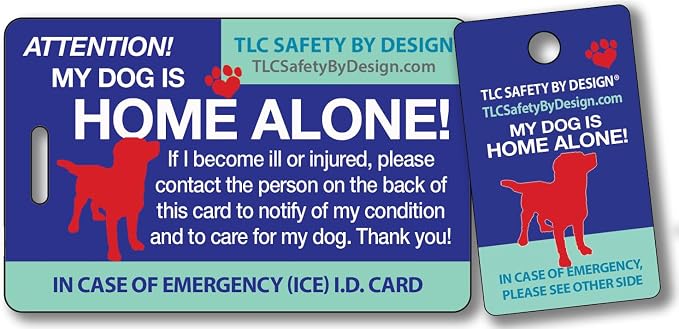
My Dog is Home Alone Pet Alert Emergency ICE ID Card
Ensures your vet and emergency contact information are always in your wallet so you can call for help immediately during a crisis.
Shop this
Hertzko Self-Cleaning Slicker Brush
An effective tool for daily brushing to prevent mats and distribute healthy oils across your dog's coat.
Shop this
Oxyfresh Advanced Ear Cleanser for Dogs & Cats
A gentle, vet-approved ear cleaner that helps remove wax and debris without the use of harsh chemicals.
Shop this
Vet's Best Dog Toothpaste & Toothbrush Dental Care Kit
This kit provides the 'gold standard' of care with dog-safe enzymatic toothpaste and a brush to prevent painful dental disease.
Shop thisFloyd's Love is educational. Our lessons, breed guides, and personalized assessments are for general information and preparation only — they are not a substitute for professional veterinary care or advice from a qualified veterinarian or animal behaviorist. Always consult your vet for medical concerns and a qualified professional for behavior issues.