
Preventive & Routine Care
How Much Should I Feed My Dog? A Simple Portion Guide
6 min read
Written and checked by Kerri, veterinary nurse · last reviewed October 2026 · who writes this
Feeding amount is driven by calorie needs, not by the scoop printed on the bag. A rough starting point for a healthy adult dog is 25 to 30 calories per pound of ideal body weight per day, then adjust up or down based on body condition every two to four weeks. Your dog's ribs should be easy to feel but not sharp, and you should see a waist from above.
How do I work out a starting amount?
Use your dog's ideal weight, not their current weight if they're carrying extra.
- Estimate ideal weight in pounds.
- Multiply by 25 to 30 for daily calories.
- Divide by the calories per cup printed on your food's label.
For example, a 40-pound dog needing about 1,000 to 1,200 calories a day, eating a food with 360 calories per cup, lands around 2.75 to 3.3 cups daily. That's a starting point, not a rule.
Puppies, pregnant and nursing dogs, and very active working dogs need more. Neutered adults, seniors, and couch companions usually need less.
How often should I feed?
- Puppies under 6 months: three to four small meals a day.
- Puppies 6 to 12 months: two to three meals.
- Adult dogs: two meals a day is standard and easier on the stomach than one large meal.
- Small breeds and dogs prone to low blood sugar: three smaller meals can be better.
Are treats part of the total?
Yes. Treats should stay under about 10 percent of daily calories. On a 1,000 calorie diet that's roughly 100 calories of treats, which is a handful of small training treats, not a daily chew plus table scraps plus biscuits. Measure a day's treats into a bowl in the morning so you can see them.
Why does the bag recommendation look too high?
Bag feeding guides are written for unneutered, active dogs, and they're often generous. They're a legal label requirement, not a personalized plan. Most pet dogs need less than the bag suggests.
How do I know if the amount is right?
Check body condition monthly:
- Ribs: easy to feel under a thin layer of fat.
- Waist: visible from above, behind the ribs.
- Belly: tucked up from the side.
- Energy and coat: steady.
If your dog is gaining, cut daily calories by about 10 percent and recheck in two to three weeks. If they're losing weight they shouldn't be, add 10 percent and check again.
Does wet food count differently?
Yes. Wet food has far fewer calories per cup because it's mostly water. Read calories per can rather than comparing cups of wet and dry food directly. A mixed diet is fine; just total the calories.
When to call your vet
Talk to your vet before changing amounts if your dog has a medical condition, is on a prescription diet, or is a large-breed puppy, where overfeeding during growth affects joint development. Also call if your dog is losing weight despite eating normally, drinking much more than usual, or suddenly ravenous, since appetite changes often point to an underlying problem.
This article is educational and isn't a substitute for veterinary advice. If you're worried about your dog, call your vet.
Gear Kerri recommends
A few things that make this easier. As an Amazon Associate, Floyd's Love earns from qualifying purchases — at no extra cost to you.

Portable Leak-Proof Dog Water Bottle with Collapsible Bowl, 10 oz
A leak-proof, one-handed water dispenser, rated highly in [Best Dog Water Bottles of 2026](https://www.treelinereview.com/gearreviews/best-dog-water-bottles), makes it easy to keep your dog hydrated during practice drives and long journeys.
Shop this
Magnetic List of Toxic & Safe Plants and Foods for Pets
Keep the pet poison hotline numbers and a list of common culprits like xylitol and grapes visible on your fridge for the instant reference this guide recommends.
Shop this
Hertzko Self-Cleaning Slicker Brush
An effective tool for daily brushing to prevent mats and distribute healthy oils across your dog's coat.
Shop this
Oxyfresh Advanced Ear Cleanser for Dogs & Cats
A gentle, vet-approved ear cleaner that helps remove wax and debris without the use of harsh chemicals.
Shop this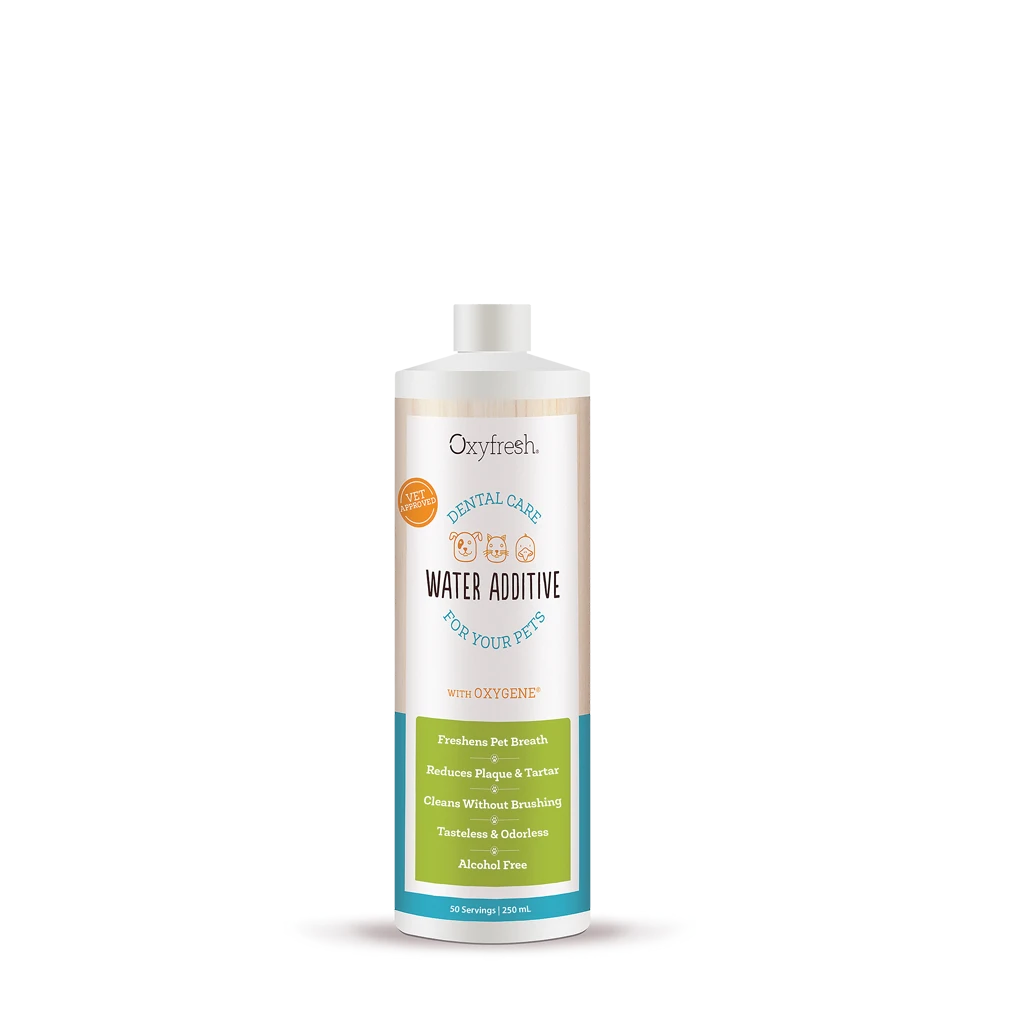
Oxyfresh Premium Pet Dental Care Solution
A simple supplement to brushing that helps fight bacteria and bad breath, which the content notes is a key sign of dental problems.
Shop this
Outward Hound Fun Feeder Slo Bowl
A critical preventative tool for deep-chested breeds to help avoid Bloat (GDV) by slowing down eating and reducing air ingestion.
Shop thisFloyd's Love is educational. Our lessons, breed guides, and personalized assessments are for general information and preparation only — they are not a substitute for professional veterinary care or advice from a qualified veterinarian or animal behaviorist. Always consult your vet for medical concerns and a qualified professional for behavior issues.