

American Pit Bull Terrier / Staffordshire type
Who this breed is NOT for
People who won't commit to training and socialization, can't physically manage a strong dog, or live where breed restrictions make ownership impractical. These dogs are also frequently acquired by the wrong people for the wrong reasons — which is exactly how good dogs get failed.
Bred to do
A group of related bully breeds (American Pit Bull Terrier, American Staffordshire Terrier, Staffordshire Bull Terrier). Historically bred for strength and grip; today, most are companion and family dogs. Individual temperament varies enormously.
Exercise needs
High — daily vigorous exercise plus mental work and training. Strong, athletic, and prone to boredom-driven destruction without an outlet.
Temperament
Typically affectionate, people-loving, loyal, and goofy — many are famously fond of humans (the 'nanny dog' reputation is overstated but they're often very people-friendly). Strong, driven, and often dog-selective; individual variation is huge. Early socialization and training are essential.
Trainability
High — smart, eager to please, and food-motivated — they respond very well to positive training, which is exactly what they need.
With kids & pets
Often excellent, affectionate family dogs with people and kids when well-raised and socialized. Dog-to-dog tolerance varies widely — many are dog-selective; supervise and socialize carefully, especially with other dogs.
Living situation
Adaptable with enough exercise, but their strength demands a committed owner. Face significant breed-specific legislation and housing/insurance restrictions in many areas — check before committing.
Grooming & shedding
Short coat, easy grooming, moderate shedding.
Health & costs
Generally hardy. Watch for hip dysplasia, skin allergies, and heart conditions. Keep them lean and well-exercised.
Best fit
Committed owners who will train, socialize, and responsibly manage a strong, people-loving dog — and who can navigate the legal/housing realities in their area.
Free guide
Get the free American Pit Bull Terrier / Staffordshire type owner guide
The honest first-90-days checklist, plus the questions to answer before you bring one home.
No spam, and you can leave any time.
A note from Kerri
I'll be straight, because this breed is surrounded by noise: most pit-bull-type dogs I've handled are affectionate, people-loving goofballs, and the vast majority of problems trace to owners, not the dogs. They ARE strong, often dog-selective, and legally complicated in many areas — so they need a committed, responsible owner who trains, socializes, and manages them well. Adopt one for the love, do the work, and know your local laws.
— Kerri, founder of Floyd's Love
Gear Kerri recommends
A few things that make this easier. As an Amazon Associate, Floyd's Love earns from qualifying purchases — at no extra cost to you.

Casfuy 2-Speed Electric Rechargeable Dog Nail Grinder
A quiet, rechargeable nail grinder that provides a gentle alternative to clippers for at-home nail maintenance.
Shop this
Hertzko Self-Cleaning Slicker Brush
An effective tool for daily brushing to prevent mats and distribute healthy oils across your dog's coat.
Shop this
Oxyfresh Advanced Ear Cleanser for Dogs & Cats
A gentle, vet-approved ear cleaner that helps remove wax and debris without the use of harsh chemicals.
Shop this
Outward Hound Fun Feeder Slo Bowl
A critical preventative tool for deep-chested breeds to help avoid Bloat (GDV) by slowing down eating and reducing air ingestion.
Shop this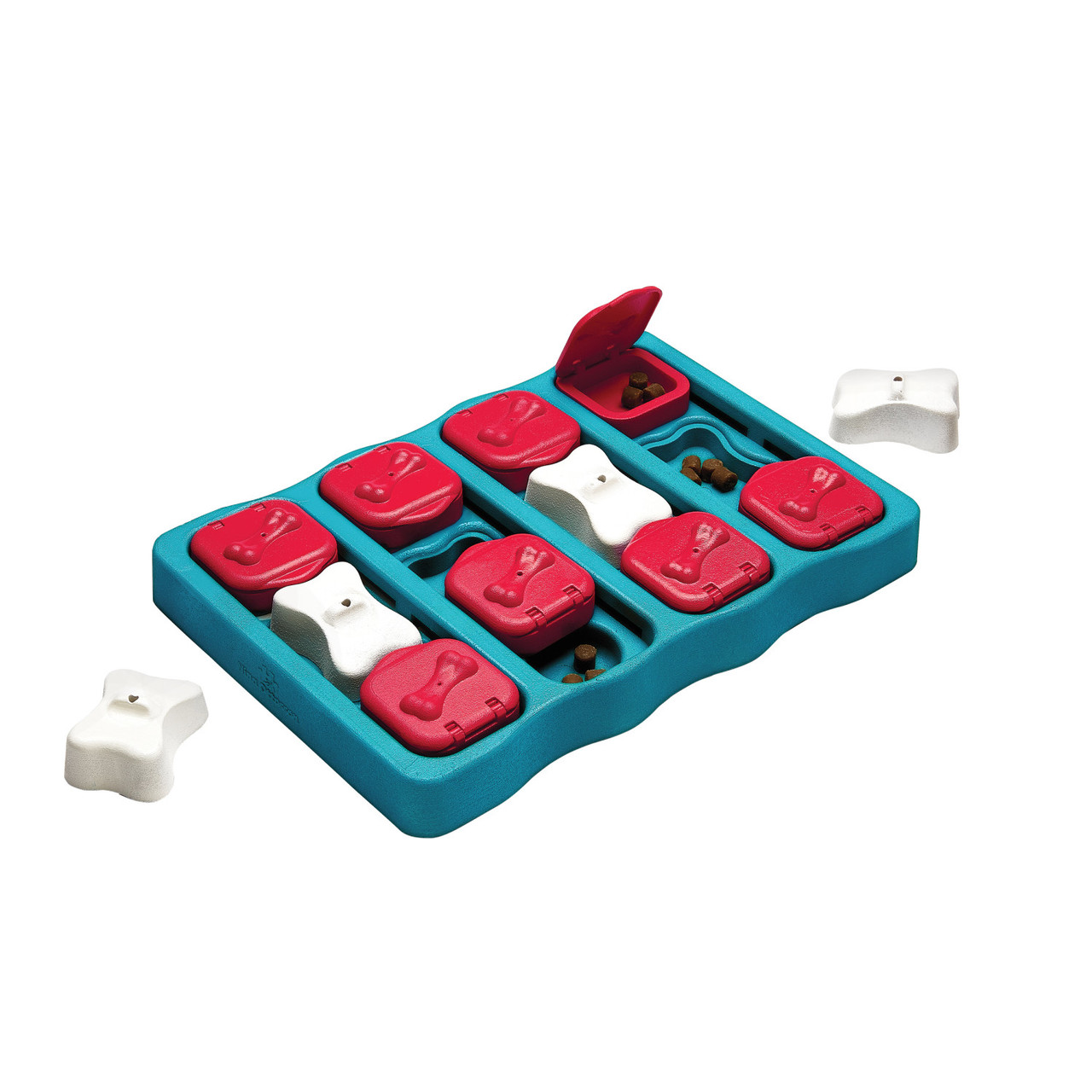
Nina Ottosson by Outward Hound Dog Brick Interactive Puzzle Toy
Provides essential mental stimulation to help tire out an anxious dog's brain and reduce nervous energy.
Shop this
WeatherBeeta Reflective Dog Parka
This insulated, waterproof coat provides essential warmth for short-coated or small dogs during cold winter walks.
Shop thisFloyd's Love is educational. Our lessons, breed guides, and personalized assessments are for general information and preparation only — they are not a substitute for professional veterinary care or advice from a qualified veterinarian or animal behaviorist. Always consult your vet for medical concerns and a qualified professional for behavior issues.