
Who this breed is NOT for
Sedentary homes, people who can't commit to grooming, or anyone wanting a mellow, independent dog.
Bred to do
A Portuguese fishing dog bred to herd fish, retrieve gear, and swim between boats — athletic, smart, and water-loving.
Exercise needs
High — daily vigorous exercise plus mental work; loves swimming and retrieving. A bored 'Portie' gets mischievous.
Temperament
Bright, affectionate, lively, and people-oriented; a real thinker that wants to be involved in everything.
Trainability
Very trainable and eager — excels at obedience, agility, and tricks with positive training.
With kids & pets
A great family dog with kids and other pets; robust and playful.
Living situation
Adapts to many homes with enough exercise; thrives with an active family and access to water and play.
Grooming & shedding
Low-shedding curly/wavy coat — but high maintenance, needing regular brushing and clipping every 6–8 weeks.
Health & costs
Relatively healthy; watch hip dysplasia and some inherited eye and heart conditions — buy from health-tested lines.
Best fit
Active families (including many with mild allergies) who want a smart, trainable, low-shed companion and will keep up the grooming and exercise.
Free guide
Get the free Portuguese Water Dog owner guide
The honest first-90-days checklist, plus the questions to answer before you bring one home.
No spam, and you can leave any time.
A note from Kerri
'Low-shedding' makes people think 'easy' — it's not; that curly coat is a real grooming commitment. But as a smart, trainable, family-oriented athlete, the Portie is hard to beat, especially if you love the water.
— Kerri, founder of Floyd's Love
Gear Kerri recommends
A few things that make this easier. As an Amazon Associate, Floyd's Love earns from qualifying purchases — at no extra cost to you.

Portable Leak-Proof Dog Water Bottle with Collapsible Bowl, 10 oz
A leak-proof, one-handed water dispenser, rated highly in [Best Dog Water Bottles of 2026](https://www.treelinereview.com/gearreviews/best-dog-water-bottles), makes it easy to keep your dog hydrated during practice drives and long journeys.
Shop this
Hertzko Self-Cleaning Slicker Brush
An effective tool for daily brushing to prevent mats and distribute healthy oils across your dog's coat.
Shop this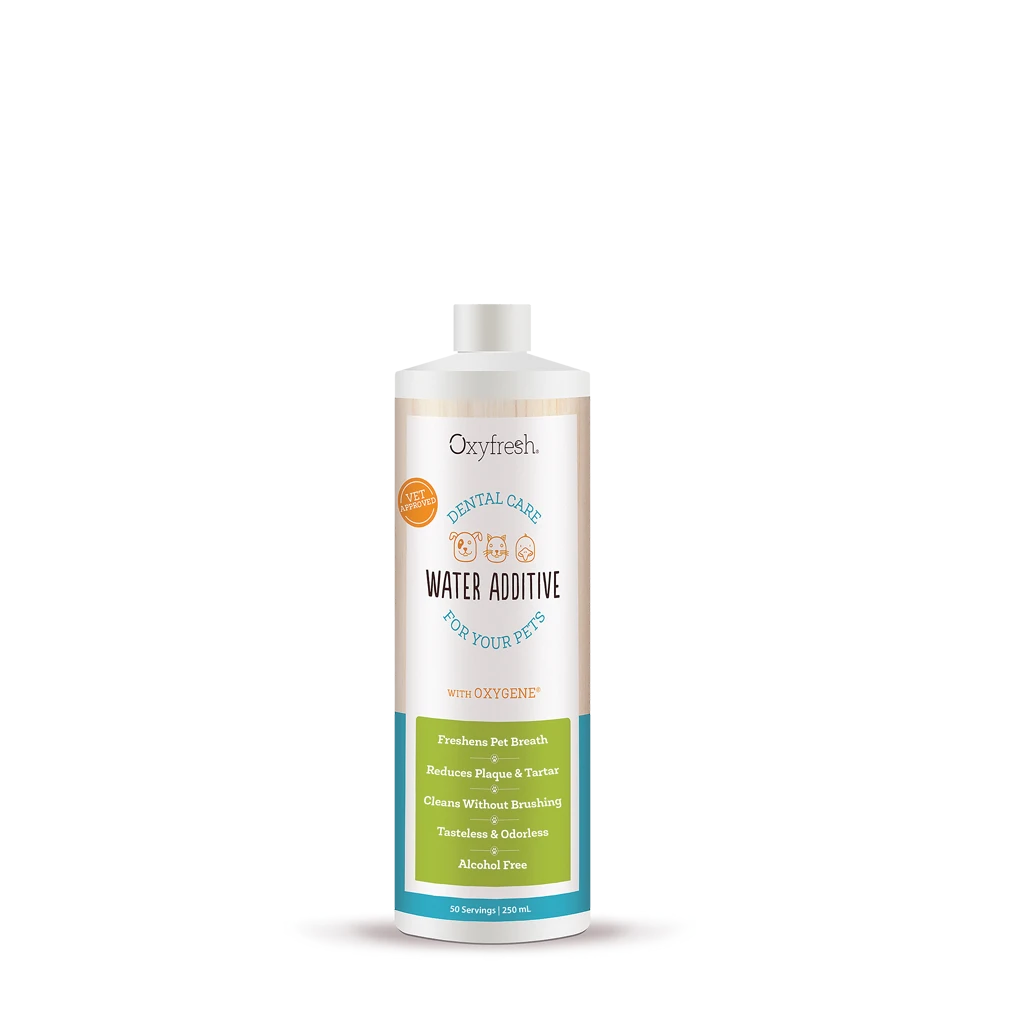
Oxyfresh Premium Pet Dental Care Solution
A simple supplement to brushing that helps fight bacteria and bad breath, which the content notes is a key sign of dental problems.
Shop this
Nina Ottosson by Outward Hound Dog Brick Interactive Puzzle Toy
Provides essential mental stimulation to help tire out an anxious dog's brain and reduce nervous energy.
Shop this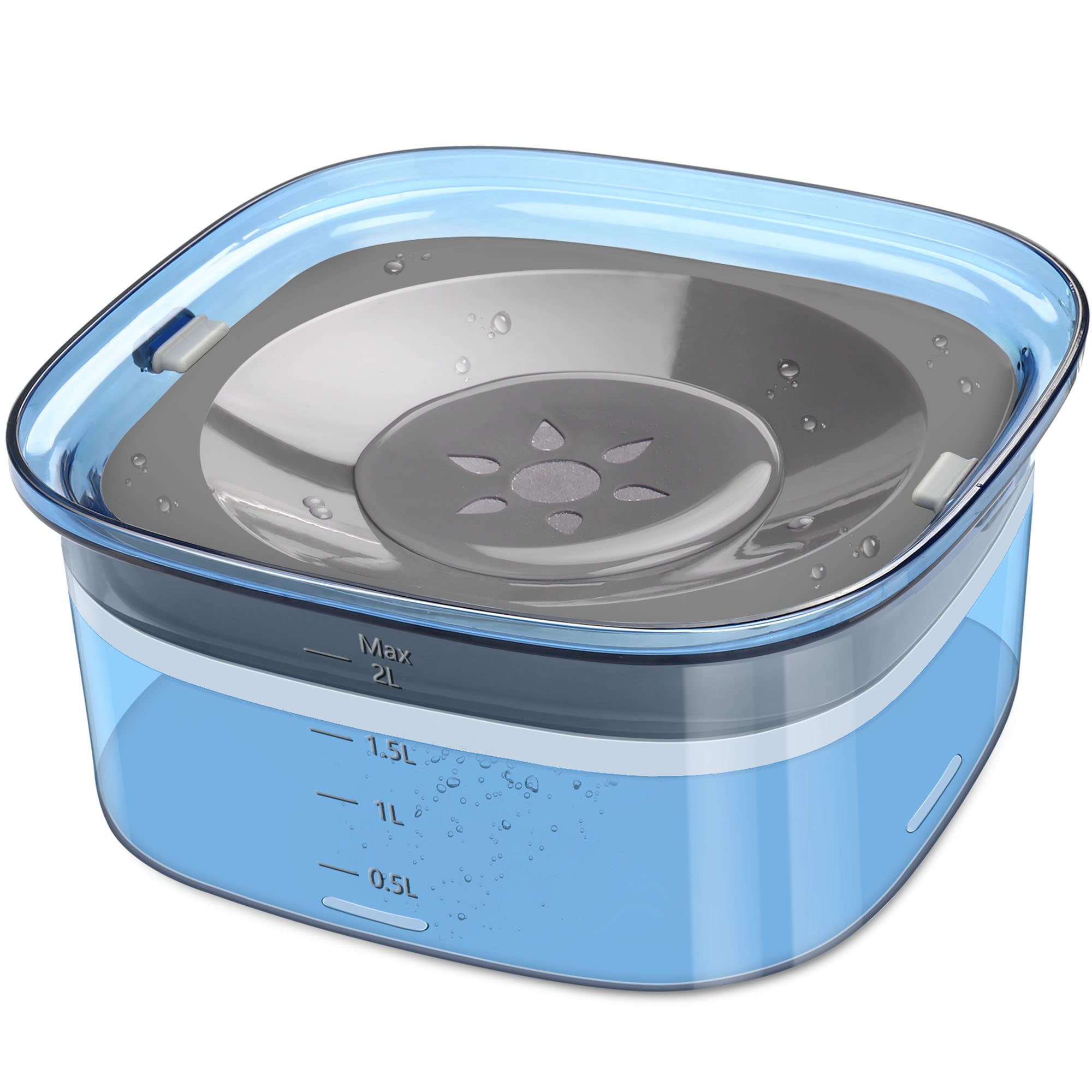
UPSKY Dog Water Bowl No-Spill Slow Water Feeder
Encourages the "small frequent sips" recommended in the content by preventing dogs from taking big gulps that can trigger vomiting.
Shop this
WeatherBeeta Reflective Dog Parka
This insulated, waterproof coat provides essential warmth for short-coated or small dogs during cold winter walks.
Shop thisFloyd's Love is educational. Our lessons, breed guides, and personalized assessments are for general information and preparation only — they are not a substitute for professional veterinary care or advice from a qualified veterinarian or animal behaviorist. Always consult your vet for medical concerns and a qualified professional for behavior issues.