

Why Does My Dog Have Lumps and Bumps?
4 min read
Written and checked by Kerri, veterinary nurse · last reviewed October 2026 · who writes this
Finding a new lump or bump on your dog can be an immediate source of worry for any pet parent. While many skin growths in dogs are benign—such as fatty tumors (lipomas), skin tags, or warts—it is important to monitor any changes to ensure your dog stays healthy and comfortable. ## Why do dogs get lumps and bumps? Dogs develop lumps for many reasons, ranging from simple skin reactions to age-related growths. As dogs age, their skin changes, and they are more prone to developing benign masses. Common causes include: * Lipomas: Soft, movable fatty deposits often found under the skin in middle-aged or senior dogs. * Sebaceous Cysts: Blocked oil glands that can look like small, fluid-filled bumps. * Skin Tags: Small, harmless flaps of skin often found in areas where skin rubs together. * Warts (Papillomas): Often caused by viruses, these are common in younger dogs or those with developing immune systems. * Allergic Reactions: Sometimes a bump is actually a hive or a localized reaction to an insect bite or environmental allergen. ## How should I monitor a new lump? When you find a bump, the best approach is to become a 'lump detective.' Take a photo of the area and note the date. Check it every few days to see if it changes. Key things to watch for include: * Rapid growth: Does the size change significantly over a few weeks? * Texture changes: Is it becoming harder, firmer, or irregular in shape? * Surface changes: Is the skin over the bump bleeding, ulcerated, or oozing? * Discomfort: Does your dog flinch or show signs of pain when you touch the area? ## When to call your vet While not every bump is an emergency, some warrant a professional opinion. You should schedule an appointment if you notice: * The lump is growing quickly. * The mass is painful or causing your dog to limp or change their behavior. * The skin over the bump is broken, bleeding, or infected. * The lump is located in a sensitive area, such as near the eye, mouth, or between the toes. Your veterinarian can perform a simple procedure called a Fine Needle Aspirate (FNA) to collect cells from the mass and determine what it is. This is often the fastest way to get peace of mind. This article is educational and isn't a substitute for veterinary advice. If you're worried about your dog, call your vet.
Gear Kerri recommends
A few things that make this easier. As an Amazon Associate, Floyd's Love earns from qualifying purchases — at no extra cost to you.

JASGOOD Slow Feeder Dog Bowl
Helps prevent rapid eating, which is a significant risk factor for bloat in deep-chested dogs.
Shop this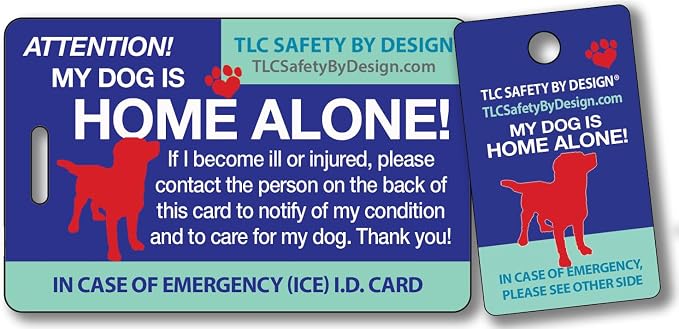
My Dog is Home Alone Pet Alert Emergency ICE ID Card
Ensures your vet and emergency contact information are always in your wallet so you can call for help immediately during a crisis.
Shop this
Hertzko Self-Cleaning Slicker Brush
An effective tool for daily brushing to prevent mats and distribute healthy oils across your dog's coat.
Shop this
Oxyfresh Advanced Ear Cleanser for Dogs & Cats
A gentle, vet-approved ear cleaner that helps remove wax and debris without the use of harsh chemicals.
Shop this
Walkin' Pet Transport Stretcher for Dogs
Allows for the safe and stable transport of a dog experiencing collapse, unconsciousness, or internal injuries from a car accident.
Shop this
Baskerville Ultra Muzzle
Ensures handler safety when moving a dog that may bite instinctively due to the intense pain of a seizure, fracture, or trauma.
Shop thisFloyd's Love is educational. Our lessons, breed guides, and personalized assessments are for general information and preparation only — they are not a substitute for professional veterinary care or advice from a qualified veterinarian or animal behaviorist. Always consult your vet for medical concerns and a qualified professional for behavior issues.