
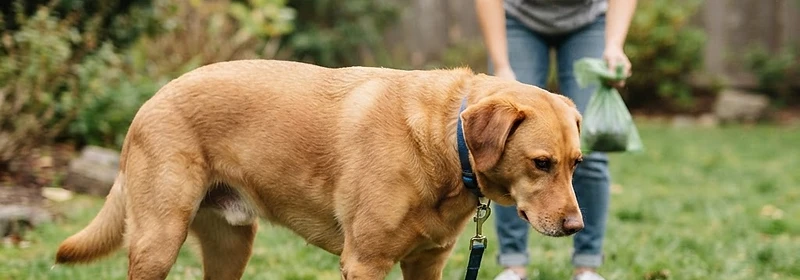
Why Is My Dog Eating Poop? Understanding Coprophagia
4 min read
Written and checked by Kerri, veterinary nurse · last reviewed October 2026 · who writes this
It’s one of the most cringe-worthy behaviors a pet parent can witness, but if you’ve found your dog snacking on "yard treats," you aren't alone. In veterinary terms, this is called coprophagia, and while it is often a behavioral quirk, it’s worth understanding why it happens and when it warrants a trip to the vet.
Why is my dog eating poop?
Most dogs eat feces for a mix of instinctual, behavioral, or—less commonly—medical reasons. Because dogs explore the world through their mouths and noses, they may simply be curious or find the scent and texture appealing, especially if they are looking for extra mental stimulation or snacks they missed during digestion.
Common reasons include:
- Instinctual Behavior: Mother dogs naturally ingest their puppies' waste to keep the den clean and safe from predators. Puppies often mimic this while exploring.
- Boredom or Stress: Dogs left alone for long periods or those lacking mental enrichment may eat feces simply because they have nothing else to do.
- Nutritional Gaps: If a dog isn't absorbing nutrients properly due to a poor-quality diet or digestive issues, they may seek out waste to "reclaim" those missing vitamins or minerals.
- Attention Seeking: If you react with loud noises or chasing, your dog may view this as a game and continue the behavior to get a reaction from you.
- Learned Habits: Some dogs learn to hide the "evidence" of a potty-training accident by eating it, often out of fear of punishment.
Is eating poop dangerous for my dog?
While generally more "gross" than dangerous, eating feces does carry some health risks. The primary concern is the potential transmission of internal parasites (like roundworms or hookworms) or bacteria if your dog consumes waste from other animals, such as cats or wildlife.
If your dog eats their own waste and is otherwise healthy, the risk is lower, but it’s still a habit that most owners prefer to break. If your dog is eating the feces of other animals, the risk of disease transmission is significantly higher.
How can I stop my dog from eating poop?
Breaking the habit requires a combination of management, training, and environmental changes.
- Pick up immediately: The simplest solution is to remove the temptation. If you clean up the yard immediately after your dog goes, they won't have the opportunity to snack.
- Upgrade their diet: Ensure your dog is eating a high-quality, easily digestible food. Sometimes, a more nutrient-dense diet can reduce the urge to scavenge.
- Increase mental stimulation: Add more interactive puzzle toys, training sessions, or longer walks to your dog's routine to combat boredom.
- Teach "Leave It": A solid "leave it" command is one of the most valuable tools for any dog owner. Practice this frequently during walks and in the backyard.
When to call your vet
While coprophagia is often a behavioral quirk, it can occasionally signal an underlying health issue. You should call your vet if:
- The behavior is a sudden change for an adult dog who previously never showed interest in feces.
- Your dog is showing other symptoms, such as weight loss, increased appetite, diarrhea, or vomiting.
- You suspect your dog is suffering from a nutritional deficiency or a chronic digestive condition.
If the behavior is new or accompanied by other physical symptoms, it’s always best to rule out medical issues like parasites, diabetes, or malabsorption syndromes before assuming it is purely behavioral.
This article is educational and isn't a substitute for veterinary advice. If you're worried about your dog, call your vet.
Gear Kerri recommends
A few things that make this easier. As an Amazon Associate, Floyd's Love earns from qualifying purchases — at no extra cost to you.

JASGOOD Slow Feeder Dog Bowl
Helps prevent rapid eating, which is a significant risk factor for bloat in deep-chested dogs.
Shop this
Magnetic List of Toxic & Safe Plants and Foods for Pets
Keep the pet poison hotline numbers and a list of common culprits like xylitol and grapes visible on your fridge for the instant reference this guide recommends.
Shop this
Oxyfresh Advanced Ear Cleanser for Dogs & Cats
A gentle, vet-approved ear cleaner that helps remove wax and debris without the use of harsh chemicals.
Shop this
Vet's Best Dog Toothpaste & Toothbrush Dental Care Kit
This kit provides the 'gold standard' of care with dog-safe enzymatic toothpaste and a brush to prevent painful dental disease.
Shop this
Walkin' Pet Transport Stretcher for Dogs
Allows for the safe and stable transport of a dog experiencing collapse, unconsciousness, or internal injuries from a car accident.
Shop this
Baskerville Ultra Muzzle
Ensures handler safety when moving a dog that may bite instinctively due to the intense pain of a seizure, fracture, or trauma.
Shop thisFloyd's Love is educational. Our lessons, breed guides, and personalized assessments are for general information and preparation only — they are not a substitute for professional veterinary care or advice from a qualified veterinarian or animal behaviorist. Always consult your vet for medical concerns and a qualified professional for behavior issues.