

Why Is My Dog Always Hungry? Understanding Polyphagia
4 min read
Written and checked by Kerri, veterinary nurse · last reviewed October 2026 · who writes this
Why Is My Dog Always Hungry? Understanding Polyphagia
If your dog has suddenly turned into a bottomless pit, you aren't alone. While some dogs are naturally food-motivated, a sudden or extreme increase in appetite—medically known as polyphagia—can sometimes signal an underlying health issue that requires a closer look.
Is it just a behavioral change or a medical issue?
Sometimes, a dog's hunger is simply behavioral, but a sudden shift in appetite often points to a physical cause. If your dog is acting ravenously hungry, it is important to look for other accompanying symptoms like weight loss, increased thirst, or changes in energy levels.
What are the common medical causes of extreme hunger?
Several health conditions can cause a dog to feel like they are starving, even if they are eating their regular meals. Common culprits include:
- Diabetes Mellitus: When a dog cannot properly process glucose, their body essentially "starves" at a cellular level, leading to intense hunger.
- Cushing’s Disease: This hormonal imbalance can cause a significant increase in appetite, often paired with increased thirst and urination.
- Malabsorption Issues: If your dog’s digestive tract isn't absorbing nutrients correctly, they may feel the need to eat more to compensate.
- Parasites: Intestinal worms can "steal" nutrients from your dog, leaving them feeling hungry despite eating.
- Medication Side Effects: Certain medications, particularly steroids like prednisone, are well-known for causing a dramatic increase in appetite.
Could it be related to their diet?
Yes, the quality and composition of your dog's food play a major role in their satiety. If a diet is low in fiber or lacks the appropriate balance of nutrients, your dog may feel hungry shortly after eating. Always ensure you are feeding a high-quality, life-stage-appropriate diet, and consult your vet before making significant changes to their caloric intake.
When to call your vet
While a dog that loves treats is usually normal, you should schedule an appointment if you notice the following "red flags":
- Weight loss despite an increased appetite.
- Increased thirst or urination (you find yourself filling the water bowl more often).
- Lethargy or a sudden decrease in activity levels.
- Vomiting or diarrhea accompanying the hunger.
- A sudden, unexplained change in your dog's eating habits that persists for more than a day or two.
Your veterinarian can perform simple blood work or a physical exam to rule out metabolic conditions and help you determine if your dog’s hunger is just a personality quirk or something that needs medical support.
This article is educational and isn't a substitute for veterinary advice. If you're worried about your dog, call your vet.
Gear Kerri recommends
A few things that make this easier. As an Amazon Associate, Floyd's Love earns from qualifying purchases — at no extra cost to you.

Portable Leak-Proof Dog Water Bottle with Collapsible Bowl, 10 oz
A leak-proof, one-handed water dispenser, rated highly in [Best Dog Water Bottles of 2026](https://www.treelinereview.com/gearreviews/best-dog-water-bottles), makes it easy to keep your dog hydrated during practice drives and long journeys.
Shop this
Magnetic List of Toxic & Safe Plants and Foods for Pets
Keep the pet poison hotline numbers and a list of common culprits like xylitol and grapes visible on your fridge for the instant reference this guide recommends.
Shop this
Oxyfresh Advanced Ear Cleanser for Dogs & Cats
A gentle, vet-approved ear cleaner that helps remove wax and debris without the use of harsh chemicals.
Shop this
Vet's Best Dog Toothpaste & Toothbrush Dental Care Kit
This kit provides the 'gold standard' of care with dog-safe enzymatic toothpaste and a brush to prevent painful dental disease.
Shop this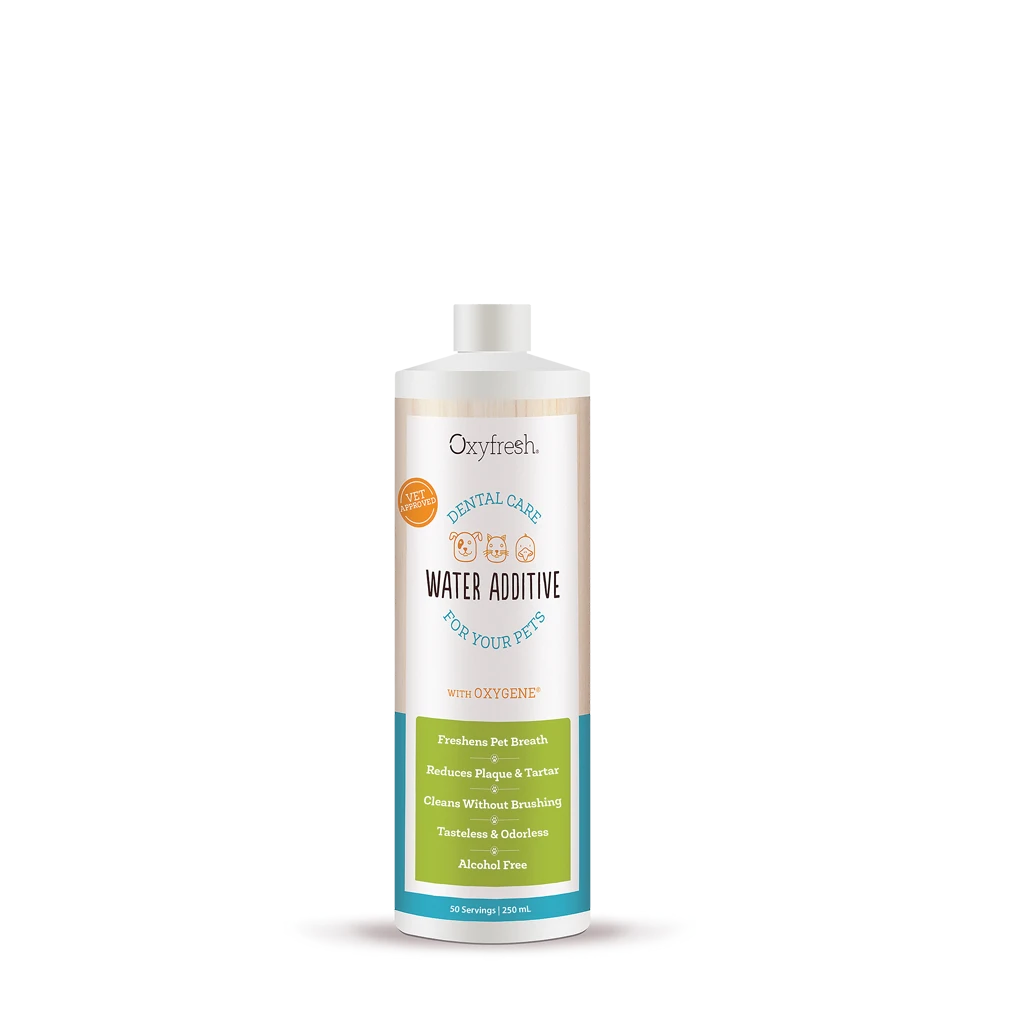
Oxyfresh Premium Pet Dental Care Solution
A simple supplement to brushing that helps fight bacteria and bad breath, which the content notes is a key sign of dental problems.
Shop this
Outward Hound Fun Feeder Slo Bowl
A critical preventative tool for deep-chested breeds to help avoid Bloat (GDV) by slowing down eating and reducing air ingestion.
Shop thisFloyd's Love is educational. Our lessons, breed guides, and personalized assessments are for general information and preparation only — they are not a substitute for professional veterinary care or advice from a qualified veterinarian or animal behaviorist. Always consult your vet for medical concerns and a qualified professional for behavior issues.