
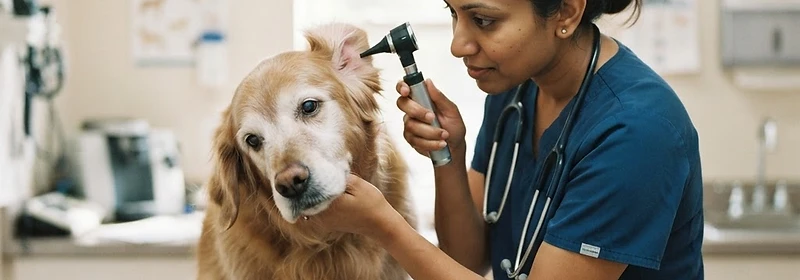
Why Is My Dog Suddenly Falling Down? Understanding Loss of Balance
4 min read
Written and checked by Kerri, veterinary nurse · last reviewed October 2026 · who writes this
Why is my dog suddenly falling down?
If your dog is suddenly stumbling, swaying, or falling over, it is a sign that their balance or coordination is compromised. This is often referred to as ataxia or vestibular dysfunction, and it is a symptom that requires a prompt evaluation by your veterinarian to determine the underlying cause.
What causes a dog to lose their balance?
Loss of balance in dogs can stem from a variety of issues, ranging from inner ear problems to neurological conditions. Because the cause can be complex, it is important to observe your dog closely.
- Vestibular Disease: Often called "old dog vestibular disease," this affects the inner ear and can cause a sudden head tilt, circling, and loss of balance.
- Ear Infections: Severe infections deep in the ear canal can disrupt the delicate structures responsible for balance.
- Neurological Issues: Conditions like IVDD (Intervertebral Disk Disease) or inflammation of the brain (encephalitis) can impact how your dog controls their limbs.
- Toxicity: Ingesting certain plants, medications, or household chemicals can cause neurological symptoms, including stumbling.
- Injury or Trauma: A recent fall or impact could cause pain or nerve damage that affects your dog's ability to walk steadily.
What should I do if my dog is stumbling?
Your primary goal is to keep your dog safe and calm while you prepare to seek professional help. Do not attempt to diagnose the issue at home, as many causes require specific medical intervention.
- Limit movement: Keep your dog in a small, safe area like a crate or a room without stairs to prevent further falls or injuries.
- Remove hazards: Clear the area of furniture or sharp objects that your dog could bump into if they lose their footing.
- Stay calm: Your dog may be frightened by their lack of coordination. Speak in a soft, reassuring voice and avoid sudden movements.
- Document the symptoms: Note how long the stumbling has lasted, if your dog is also tilting their head, or if they seem disoriented. This information is very helpful for your vet.
When to call your vet
Any sudden loss of balance is considered a significant health concern. You should contact your veterinarian or an emergency animal hospital immediately if you notice:
- Your dog is unable to stand up at all.
- They are showing signs of extreme distress, such as panting, pacing, or vocalizing.
- They are vomiting or seem lethargic.
- Their eyes are flicking back and forth rapidly (nystagmus).
- They have experienced a recent fall or trauma.
It is always better to be cautious when it comes to your dog's mobility. If you are worried about your dog's balance, call your vet right away to discuss the symptoms.
This article is educational and isn't a substitute for veterinary advice. If you're worried about your dog, call your vet.
Gear Kerri recommends
A few things that make this easier. As an Amazon Associate, Floyd's Love earns from qualifying purchases — at no extra cost to you.

JASGOOD Slow Feeder Dog Bowl
Helps prevent rapid eating, which is a significant risk factor for bloat in deep-chested dogs.
Shop this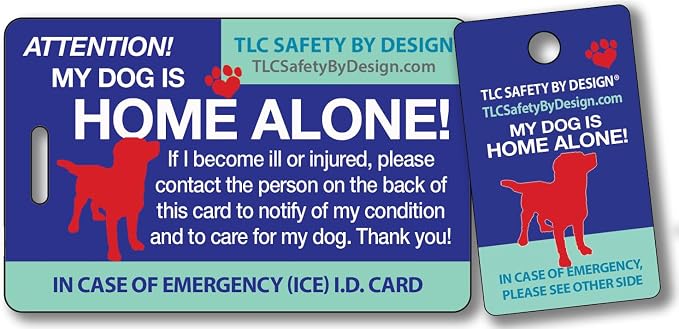
My Dog is Home Alone Pet Alert Emergency ICE ID Card
Ensures your vet and emergency contact information are always in your wallet so you can call for help immediately during a crisis.
Shop this
Oxyfresh Advanced Ear Cleanser for Dogs & Cats
A gentle, vet-approved ear cleaner that helps remove wax and debris without the use of harsh chemicals.
Shop this
Petmate Sky Kennel Pet Carrier
Meeting strict IATA requirements for [Air Travel](https://www.amazon.com/clp/B00AAPGA2W), this heavy-duty kennel provides the secure, airline-approved environment necessary for safe flights.
Shop this
Vet's Best Dog Toothpaste & Toothbrush Dental Care Kit
This kit provides the 'gold standard' of care with dog-safe enzymatic toothpaste and a brush to prevent painful dental disease.
Shop this
Walkin' Pet Transport Stretcher for Dogs
Allows for the safe and stable transport of a dog experiencing collapse, unconsciousness, or internal injuries from a car accident.
Shop thisFloyd's Love is educational. Our lessons, breed guides, and personalized assessments are for general information and preparation only — they are not a substitute for professional veterinary care or advice from a qualified veterinarian or animal behaviorist. Always consult your vet for medical concerns and a qualified professional for behavior issues.