
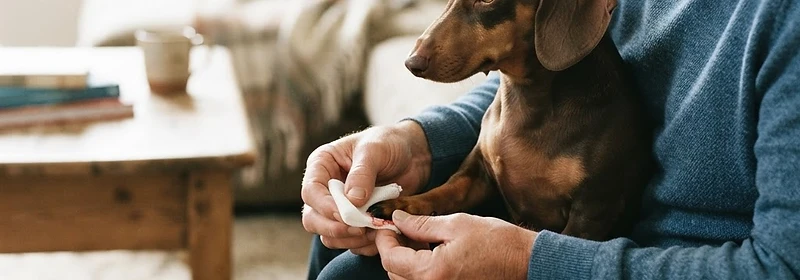
Why Is My Dog Bleeding From Their Nail? A Guide to Torn Nails
4 min read
Written and checked by Kerri, veterinary nurse · last reviewed October 2026 · who writes this
A torn or broken nail is a common injury that can look quite alarming due to the amount of blood, but it is usually manageable with quick action. If your dog is bleeding from a nail, it is likely because the quick—the blood vessel inside the nail—has been exposed or damaged. ## Why is my dog's nail bleeding? Your dog's nail consists of a hard outer shell and a sensitive inner core called the quick. When a nail is torn, cracked, or cut too short, the quick is exposed, leading to bleeding and significant pain for your pup. Common causes include: * Snagging: Getting a long nail caught on carpet, fabric, or outdoor debris. * Over-trimming: Accidentally cutting into the quick during a routine nail trim. * Trauma: Rough play or running on abrasive surfaces that cause the nail to split. ## How do I stop the bleeding at home? You can often stop minor nail bleeding by applying pressure and using a clotting agent. If you do not have a commercial styptic powder, common household items can help. 1. Stay calm: Your dog will pick up on your energy. Keep them as still as possible. 2. Apply pressure: Use a clean cloth or gauze to apply firm, steady pressure to the tip of the nail for several minutes. 3. Use a clotting agent: If you have styptic powder, dip the nail into it or press it onto the tip. If you don't have styptic powder, cornstarch or flour can be used as a temporary substitute to help the blood clot. 4. Limit activity: Keep your dog quiet and off their feet for a few hours to ensure the clot remains stable. ## When should I call the vet? While many torn nails can be managed at home, some situations require professional veterinary attention. Call your vet if: * The bleeding won't stop: If the nail is still bleeding after 10-15 minutes of direct pressure. * The nail is hanging: If the nail is dangling by a thread, it may need to be professionally trimmed or removed to prevent further pain and infection. * Signs of infection: Look for swelling, discharge, or if your dog continues to limp or lick the paw excessively after a day or two. * The break is near the base: If the nail is broken very close to the toe, it is more prone to infection and may require pain medication or antibiotics. This article is educational and isn't a substitute for veterinary advice. If you're worried about your dog, call your vet.
Gear Kerri recommends
A few things that make this easier. As an Amazon Associate, Floyd's Love earns from qualifying purchases — at no extra cost to you.

Casfuy 2-Speed Electric Rechargeable Dog Nail Grinder
A quiet, rechargeable nail grinder that provides a gentle alternative to clippers for at-home nail maintenance.
Shop this
Baskerville Ultra Muzzle
Ensures handler safety when moving a dog that may bite instinctively due to the intense pain of a seizure, fracture, or trauma.
Shop this
MidWest Homes for Pets Dog Crate
Helps you establish a dedicated safe zone where your dog can retreat and feel secure when they are feeling overwhelmed.
Shop this
WeatherBeeta Reflective Dog Parka
This insulated, waterproof coat provides essential warmth for short-coated or small dogs during cold winter walks.
Shop this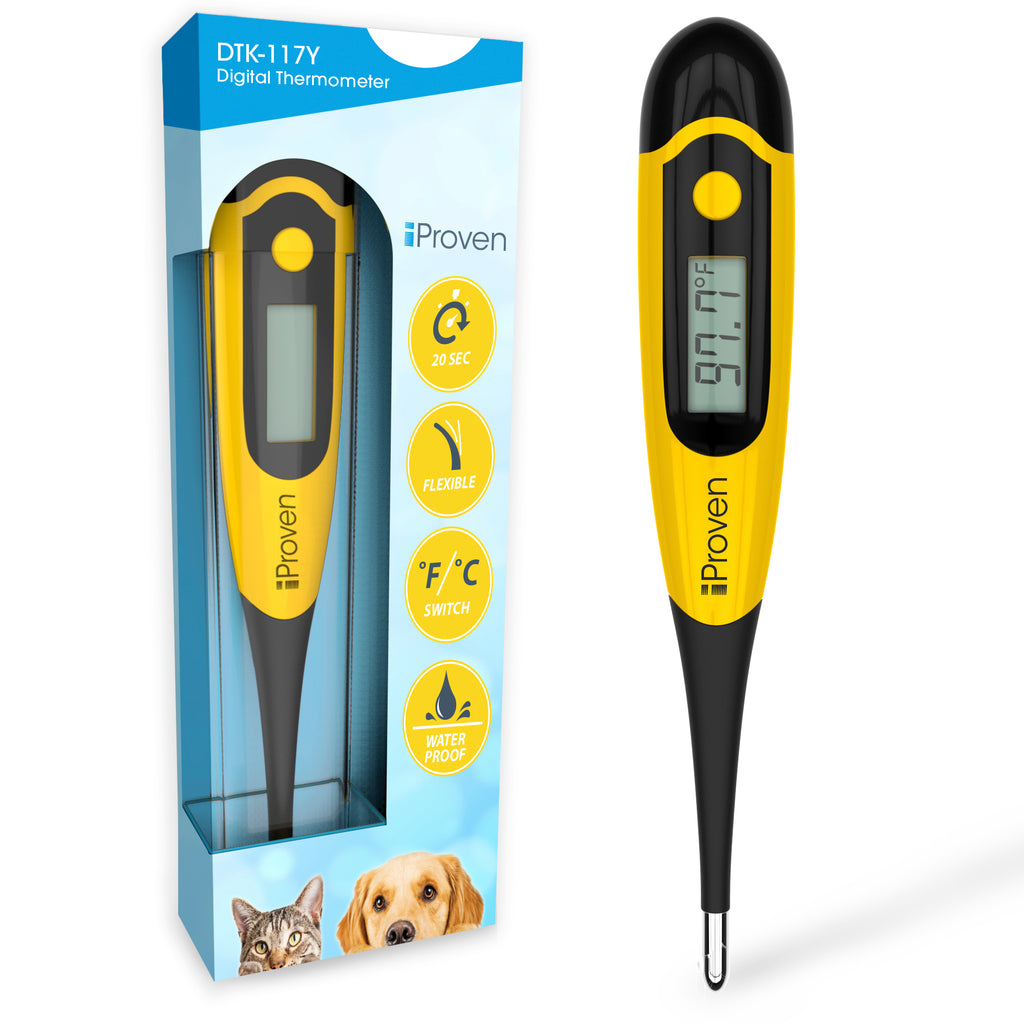
iProven Dog & Cat Thermometer
A fast, accurate digital thermometer is essential for monitoring your dog's temperature to ensure it stays within the safe 99.5°–102.5°F range.
Shop this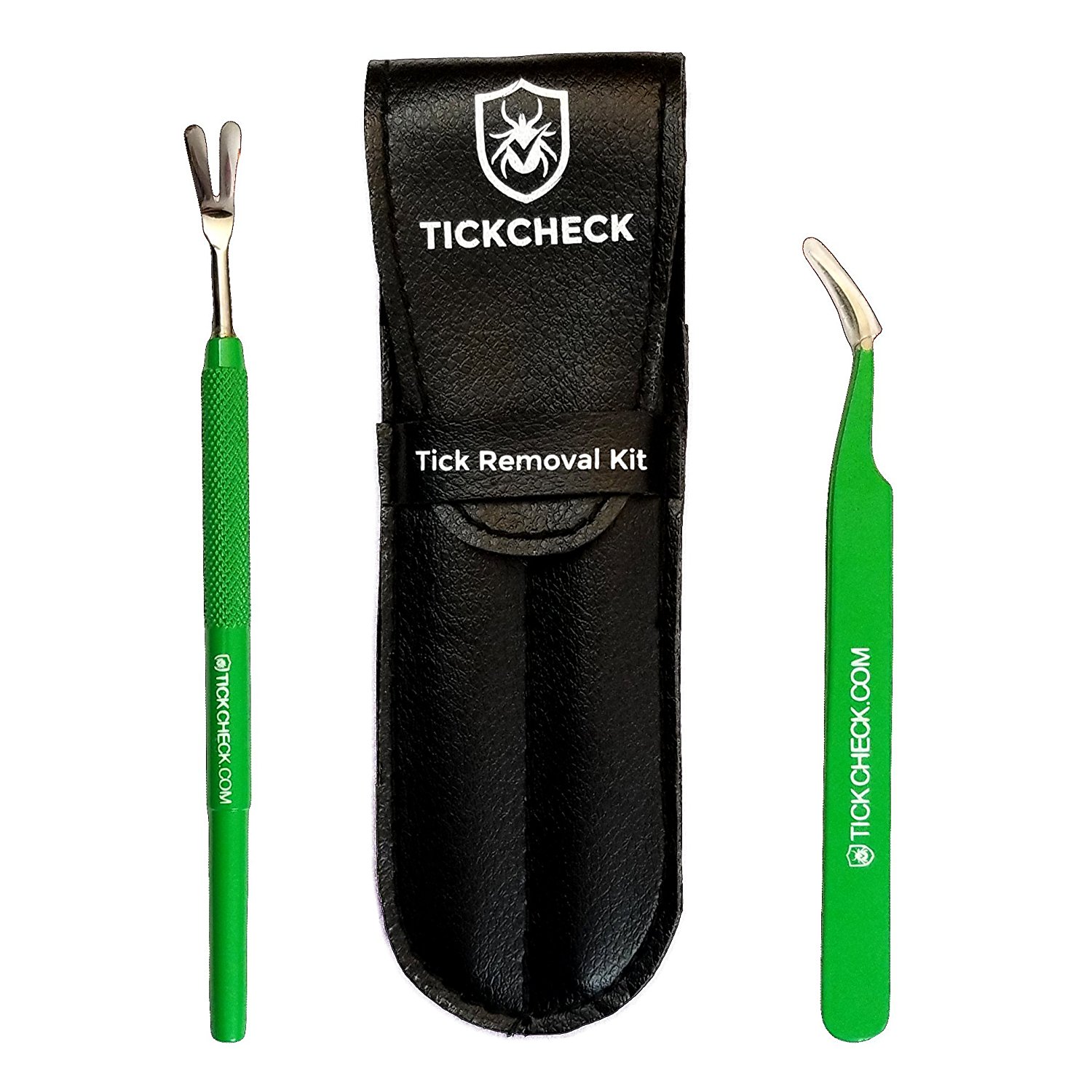
TickCheck Premium Tick Remover Kit
This kit includes the necessary tools to safely and effectively remove ticks, a critical item for any pet first-aid supply collection.
Shop thisFloyd's Love is educational. Our lessons, breed guides, and personalized assessments are for general information and preparation only — they are not a substitute for professional veterinary care or advice from a qualified veterinarian or animal behaviorist. Always consult your vet for medical concerns and a qualified professional for behavior issues.