
First Aid & Emergencies
Why Is My Dog's Nose Bleeding? What to Do
4 min read
Written and checked by Kerri, veterinary nurse · last reviewed October 2026 · who writes this
A nosebleed in dogs is usually from the front of the nose and often stops within a few minutes with gentle pressure. It can also come from the back of the nose or from a problem deeper in the system, which is why a nosebleed that won't stop, keeps returning, or comes with other signs needs a vet.
What causes nosebleeds in dogs?
- Trauma or a knock to the face, or rough play.
- A foreign object such as a grass awn or seed in the nostril.
- Dry air, which makes the lining crack in winter.
- Infections of the nasal passages.
- Dental disease, especially an abscessed upper tooth near the nose.
- Clotting problems, immune conditions, or tumors in older dogs, which are more serious and typically come with bleeding elsewhere.
- Certain toxins, including rat poison, which interferes with clotting.
How do I stop a nosebleed at home?
Stay calm, since your dog will pick up your stress.
- Keep your dog quiet and still. Excitement raises blood pressure and prolongs bleeding.
- Apply light pressure over the top of the muzzle with a cold pack wrapped in a cloth. Never block both nostrils.
- Do not tip the head back. Let the blood drain out rather than down the throat, which causes nausea.
- Keep the pressure on for five to ten minutes without checking.
- Offer small ice chips only if your dog is fully alert.
When is a nosebleed an emergency?
Call your vet or an emergency clinic if:
- Bleeding has not slowed after ten to fifteen minutes of pressure.
- The blood is coming from both nostrils and won't stop.
- Your dog is pale, weak, wobbly, or breathing hard.
- There are bruises on the gums, belly, or skin, or blood in the stool.
- Your dog may have eaten rat poison or another toxin.
- Your dog is a senior and this is the second or third episode.
What happens at the vet?
Your vet will examine the nose and mouth, check clotting with bloodwork, and look for dental disease. Depending on what they find, they may recommend imaging, a nasal scope, or blood pressure checks. If poison is possible, bring the packaging with you.
Can I prevent nosebleeds?
Some of the time, yes. Keep a humidifier in dry months, use a harness rather than a collar for hard-pulling dogs, keep all rodenticide out of a dog-accessible space, and stay current with dental care. If your dog has had repeated nosebleeds, keep a simple record of dates and how long each lasted; those patterns help your vet.
This article is educational and isn't a substitute for veterinary advice. If you're worried about your dog, call your vet.
Gear Kerri recommends
A few things that make this easier. As an Amazon Associate, Floyd's Love earns from qualifying purchases — at no extra cost to you.

JASGOOD Slow Feeder Dog Bowl
Helps prevent rapid eating, which is a significant risk factor for bloat in deep-chested dogs.
Shop this
Magnetic List of Toxic & Safe Plants and Foods for Pets
Keep the pet poison hotline numbers and a list of common culprits like xylitol and grapes visible on your fridge for the instant reference this guide recommends.
Shop this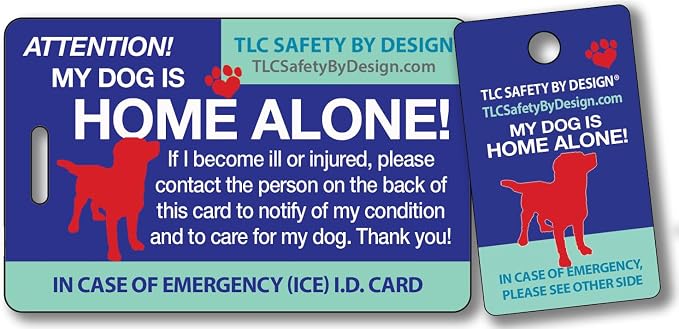
My Dog is Home Alone Pet Alert Emergency ICE ID Card
Ensures your vet and emergency contact information are always in your wallet so you can call for help immediately during a crisis.
Shop this
Hertzko Self-Cleaning Slicker Brush
An effective tool for daily brushing to prevent mats and distribute healthy oils across your dog's coat.
Shop this
Vet's Best Dog Toothpaste & Toothbrush Dental Care Kit
This kit provides the 'gold standard' of care with dog-safe enzymatic toothpaste and a brush to prevent painful dental disease.
Shop this
H&H Pets Dog Finger Toothbrush
These soft finger brushes are ideal for following the content's advice to 'go slow' when starting a new brushing habit with your dog.
Shop thisFloyd's Love is educational. Our lessons, breed guides, and personalized assessments are for general information and preparation only — they are not a substitute for professional veterinary care or advice from a qualified veterinarian or animal behaviorist. Always consult your vet for medical concerns and a qualified professional for behavior issues.