

How to tell if your dog is in pain
4 min read
Written and checked by Kerri, veterinary nurse · last reviewed October 2026 · who writes this
How to tell if your dog is in pain
Dogs are masters at hiding discomfort, often masking pain as a survival instinct. Because they cannot tell us when they hurt, it is up to us to become detectives and look for subtle shifts in their behavior, movement, and daily habits.
What are the common signs of pain in dogs?
Pain in dogs often manifests as a change in their "normal" routine or personality. If your dog is acting differently, it is worth investigating further.
- Behavioral changes: A normally social dog becoming withdrawn, hiding, or acting uncharacteristically aggressive or grumpy when touched.
- Mobility issues: Hesitation to jump on the couch, difficulty climbing stairs, or a stiff, awkward gait.
- Appetite changes: A sudden decrease in interest in food or water.
- Sleep patterns: Sleeping more than usual or, conversely, being unable to settle and pacing at night.
- Grooming habits: Excessive licking of a specific area, which can indicate localized pain or inflammation.
How do I know if my dog is hiding pain?
Many dogs will continue to wag their tails and greet you at the door even when they are hurting. Look for "micro-signs" that something is off, such as a tucked tail, ears held flat against the head, or a "whale eye" (where you can see the whites of their eyes) when they are resting.
If your dog is panting heavily while at rest or seems restless and unable to find a comfortable position, they may be trying to cope with internal or joint discomfort. Trust your gut—if you feel like your dog just isn't acting like themselves, you are likely picking up on a real change.
When to call your vet
While some signs of pain are subtle, others require immediate attention. You should contact your veterinarian if you notice any of the following:
- Sudden vocalization: Yelping, whining, or growling when moving or being touched.
- Inability to stand: If your dog is struggling to get up or is dragging their limbs.
- Severe lethargy: If your dog is unresponsive or refuses to move.
- Visible injury: Any open wounds, swelling, or obvious limping that does not resolve quickly.
- Changes in bathroom habits: Straining to urinate or defecate, or accidents in the house.
Remember, you know your dog better than anyone else. If you suspect your dog is in pain, it is always better to have a professional assessment to rule out underlying health issues. This article is educational and isn't a substitute for veterinary advice. If you're worried about your dog, call your vet.
Gear Kerri recommends
A few things that make this easier. As an Amazon Associate, Floyd's Love earns from qualifying purchases — at no extra cost to you.

Portable Leak-Proof Dog Water Bottle with Collapsible Bowl, 10 oz
A leak-proof, one-handed water dispenser, rated highly in [Best Dog Water Bottles of 2026](https://www.treelinereview.com/gearreviews/best-dog-water-bottles), makes it easy to keep your dog hydrated during practice drives and long journeys.
Shop this
Magnetic List of Toxic & Safe Plants and Foods for Pets
Keep the pet poison hotline numbers and a list of common culprits like xylitol and grapes visible on your fridge for the instant reference this guide recommends.
Shop this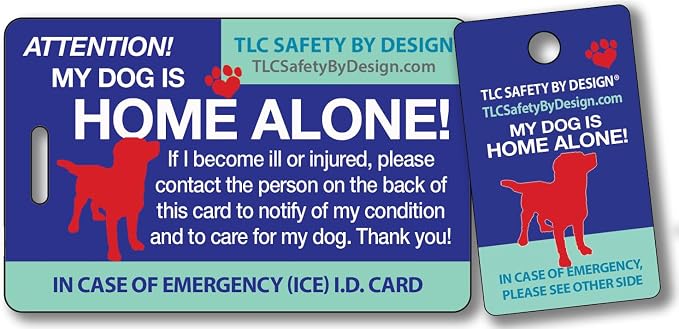
My Dog is Home Alone Pet Alert Emergency ICE ID Card
Ensures your vet and emergency contact information are always in your wallet so you can call for help immediately during a crisis.
Shop this
Casfuy 2-Speed Electric Rechargeable Dog Nail Grinder
A quiet, rechargeable nail grinder that provides a gentle alternative to clippers for at-home nail maintenance.
Shop this
Hertzko Self-Cleaning Slicker Brush
An effective tool for daily brushing to prevent mats and distribute healthy oils across your dog's coat.
Shop this
Oxyfresh Advanced Ear Cleanser for Dogs & Cats
A gentle, vet-approved ear cleaner that helps remove wax and debris without the use of harsh chemicals.
Shop thisFloyd's Love is educational. Our lessons, breed guides, and personalized assessments are for general information and preparation only — they are not a substitute for professional veterinary care or advice from a qualified veterinarian or animal behaviorist. Always consult your vet for medical concerns and a qualified professional for behavior issues.