

Why is my dog sneezing so much? Understanding reverse sneezing and other causes
4 min read
Written and checked by Kerri, veterinary nurse · last reviewed October 2026 · who writes this
It is common for dogs to sneeze occasionally, especially when they are excited or playing. However, if you notice your dog sneezing in frequent, intense bursts, it is natural to wonder if something is wrong. Most of the time, it is just a way for your dog to clear their nasal passages, but understanding the difference between a normal sneeze and a potential health issue is key to keeping your pup comfortable. ## What is a reverse sneeze? A reverse sneeze happens when your dog makes a loud, honking, or snorting sound while rapidly pulling air into their nose. It often looks like they are struggling to breathe, but it is usually a harmless reflex caused by irritation in the back of the throat or nasal passages. During a reverse sneeze, your dog may stand still with their neck extended and elbows spread wide. It typically lasts only a few seconds and resolves on its own. You can often help them stop by gently stroking their throat or covering their nostrils for a second to encourage them to swallow. ## Why is my dog sneezing so much? While a single sneeze is normal, frequent sneezing can be caused by several factors: * Environmental Irritants: Just like humans, dogs can be sensitive to dust, pollen, strong perfumes, or cleaning products. * Foreign Objects: Sometimes a blade of grass, a seed, or a small piece of debris gets stuck in the nasal passage. * Nasal Infections: Bacterial, viral, or fungal infections can cause persistent sneezing, often accompanied by discharge. * Dental Issues: Because a dog's tooth roots are located very close to their nasal passages, severe dental disease can sometimes lead to sneezing or nasal discharge. ## When to call your vet While occasional sneezing is rarely an emergency, you should schedule an appointment if you notice any of the following: * Persistent or chronic sneezing that lasts for several days. * Nasal discharge that is thick, yellow, green, or bloody. * Visible discomfort, such as pawing at the face or rubbing the nose against furniture. * Changes in appetite or energy levels alongside the sneezing. * Frequent reverse sneezing that seems to be increasing in frequency or duration. If your dog is having trouble breathing, is lethargic, or seems to be in pain, it is best to have them evaluated by a professional to rule out underlying conditions like nasal tumors or chronic infections. This article is educational and isn't a substitute for veterinary advice. If you're worried about your dog, call your vet.
Gear Kerri recommends
A few things that make this easier. As an Amazon Associate, Floyd's Love earns from qualifying purchases — at no extra cost to you.

JASGOOD Slow Feeder Dog Bowl
Helps prevent rapid eating, which is a significant risk factor for bloat in deep-chested dogs.
Shop this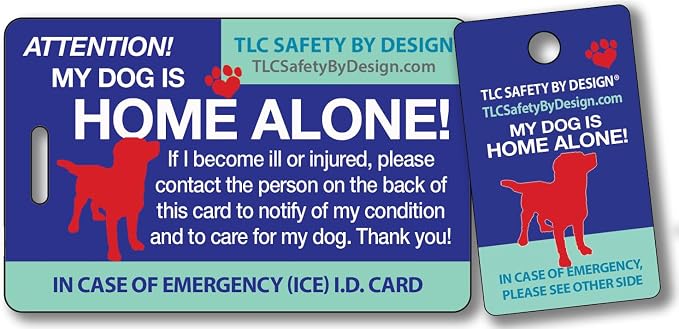
My Dog is Home Alone Pet Alert Emergency ICE ID Card
Ensures your vet and emergency contact information are always in your wallet so you can call for help immediately during a crisis.
Shop this
Oxyfresh Advanced Ear Cleanser for Dogs & Cats
A gentle, vet-approved ear cleaner that helps remove wax and debris without the use of harsh chemicals.
Shop this
Vet's Best Dog Toothpaste & Toothbrush Dental Care Kit
This kit provides the 'gold standard' of care with dog-safe enzymatic toothpaste and a brush to prevent painful dental disease.
Shop this
H&H Pets Dog Finger Toothbrush
These soft finger brushes are ideal for following the content's advice to 'go slow' when starting a new brushing habit with your dog.
Shop this
Walkin' Pet Transport Stretcher for Dogs
Allows for the safe and stable transport of a dog experiencing collapse, unconsciousness, or internal injuries from a car accident.
Shop thisFloyd's Love is educational. Our lessons, breed guides, and personalized assessments are for general information and preparation only — they are not a substitute for professional veterinary care or advice from a qualified veterinarian or animal behaviorist. Always consult your vet for medical concerns and a qualified professional for behavior issues.