
Care How-Tos & Seasonal
How Long Can a Dog Hold Their Pee? And How Often to Take Them Out
5 min read
Written and checked by Kerri, veterinary nurse · last reviewed October 2026 · who writes this
Most healthy adult dogs can comfortably hold their bladder for six to eight hours during the day, and up to eight to ten hours overnight. Puppies are different: the common rule of thumb is one hour of bladder control per month of age, up to about four hours, so a three-month-old puppy needs a break roughly every three hours.
How often should I take my dog out?
A practical baseline for a healthy adult dog:
- First thing in the morning, before anything else.
- Midday if you're home, or after four to six hours if you're not.
- After meals, within 20 to 30 minutes, since eating stimulates the urge to go.
- After play, training, or waking from a nap.
- Right before bed.
That works out to four to six trips outside a day for most adult dogs, and more for puppies and seniors.
How long can a puppy hold it?
Puppies have small bladders and little bladder control. A rough guide:
- 8 to 10 weeks: every one to two hours while awake.
- 3 months: every three hours.
- 4 months: every four hours.
- 6 months and older: most can manage five to six hours.
A puppy who is expected to hold it longer than their body allows will toilet indoors, and that isn't a training failure.
Is holding it overnight harmful?
For most adult dogs, eight hours overnight is fine because urine production slows during sleep. If your dog is regularly waking you to go out, or having accidents overnight after being housetrained, that is worth a vet conversation.
When is holding it too long?
Anything beyond eight to ten hours during the day is hard on the bladder and can contribute to urinary tract infections and incontinence over time. If you're away longer than that, arrange a midday visit from a walker, neighbor, or doggy daycare.
Working from home doesn't automatically solve this either. Dogs left in a home office for twelve hours without breaks are in the same situation.
What if my dog suddenly needs to go constantly?
A sudden change in urination is a health signal, not a training issue. Watch for:
- Frequent small amounts or straining.
- Accidents in the house from a housetrained dog.
- Blood in the urine or a strong odor.
- Drinking much more water than usual.
- Licking at the genital area.
These can point to a urinary tract infection, bladder stones, diabetes, or hormonal conditions. Bring a fresh urine sample to your vet if you can; it speeds up diagnosis.
When to call your vet
Call if your dog is straining to urinate and producing little or nothing, which can indicate a blockage, especially in male dogs. That is urgent. Also call about accidents in a housetrained dog, increased thirst, or any blood in the urine.
This article is educational and isn't a substitute for veterinary advice. If you're worried about your dog, call your vet.
Gear Kerri recommends
A few things that make this easier. As an Amazon Associate, Floyd's Love earns from qualifying purchases — at no extra cost to you.

Portable Leak-Proof Dog Water Bottle with Collapsible Bowl, 10 oz
A leak-proof, one-handed water dispenser, rated highly in [Best Dog Water Bottles of 2026](https://www.treelinereview.com/gearreviews/best-dog-water-bottles), makes it easy to keep your dog hydrated during practice drives and long journeys.
Shop this
JASGOOD Slow Feeder Dog Bowl
Helps prevent rapid eating, which is a significant risk factor for bloat in deep-chested dogs.
Shop this
Oxyfresh Advanced Ear Cleanser for Dogs & Cats
A gentle, vet-approved ear cleaner that helps remove wax and debris without the use of harsh chemicals.
Shop this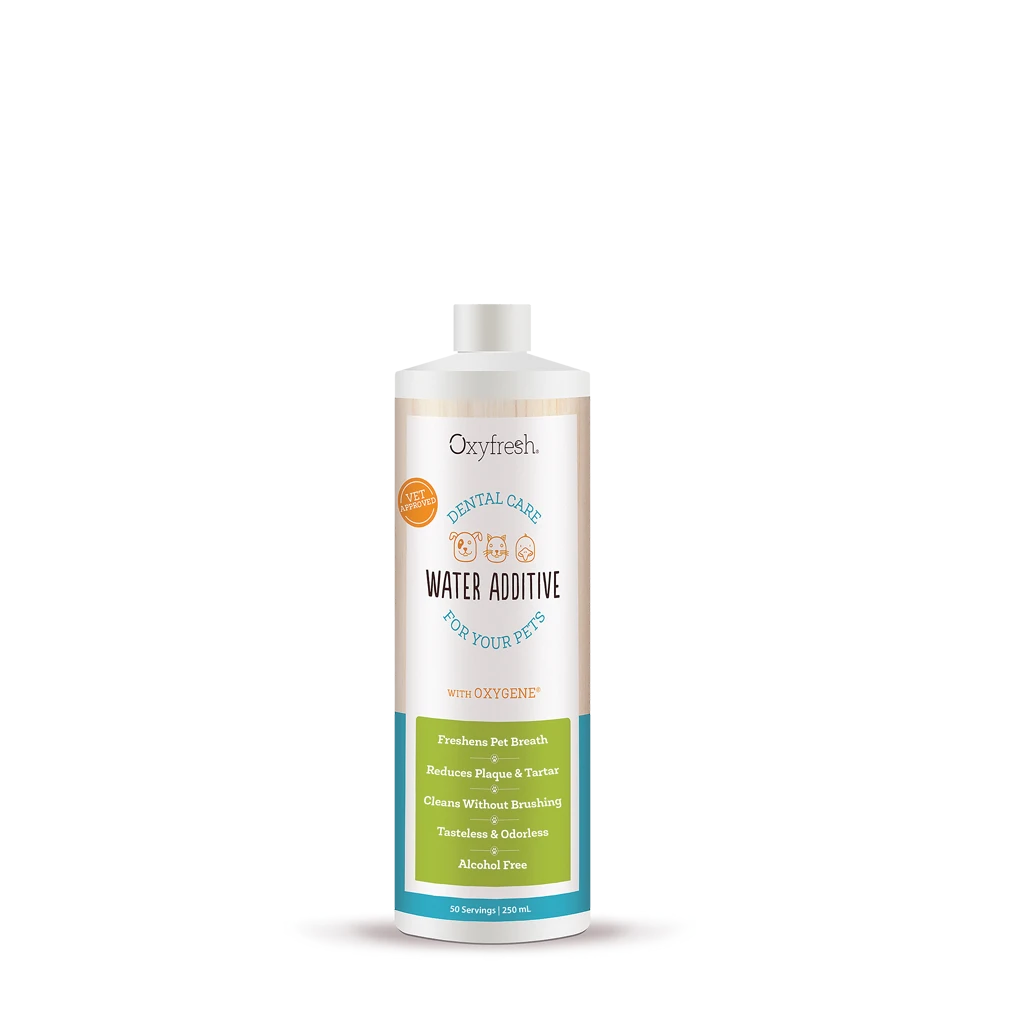
Oxyfresh Premium Pet Dental Care Solution
A simple supplement to brushing that helps fight bacteria and bad breath, which the content notes is a key sign of dental problems.
Shop this
Walkin' Pet Transport Stretcher for Dogs
Allows for the safe and stable transport of a dog experiencing collapse, unconsciousness, or internal injuries from a car accident.
Shop this
Outward Hound Fun Feeder Slo Bowl
A critical preventative tool for deep-chested breeds to help avoid Bloat (GDV) by slowing down eating and reducing air ingestion.
Shop thisFloyd's Love is educational. Our lessons, breed guides, and personalized assessments are for general information and preparation only — they are not a substitute for professional veterinary care or advice from a qualified veterinarian or animal behaviorist. Always consult your vet for medical concerns and a qualified professional for behavior issues.