

Who this breed is NOT for
People wanting a quiet, low-shedding, low-energy lapdog, or who won't engage a clever working mind. The barking and shyness catch many off guard.
Bred to do
A small herding dog from the Shetland Islands — bred to herd and guard on rugged farms. A working herder in a compact package.
Exercise needs
High — daily exercise plus mental work. Deceptively energetic and busy-minded for their size; they need jobs, training, or dog sports.
Temperament
Bright, sensitive, affectionate, and devoted — but reserved and often shy with strangers, and famously vocal (they bark a lot). Strong herding instinct.
Trainability
Very high — one of the most trainable breeds, brilliant at obedience and agility. That intelligence needs an outlet, and the barking needs training.
With kids & pets
Good with respectful kids and other pets when socialized, but the herding instinct means chasing and heel-nipping at running children and animals. Early socialization eases the shyness.
Living situation
Adaptable if exercised, but the barking is a serious neighbor consideration, especially in apartments. Needs mental stimulation.
Grooming & shedding
Thick long double coat that sheds heavily, with big seasonal blows. Regular brushing required; a real coat commitment.
Health & costs
Watch for the MDR1 drug-sensitivity gene (ask your vet about testing), eye conditions (Collie eye anomaly), hip dysplasia, and some thyroid issues. Buy from health-tested lines.
Best fit
Active owners who want a brilliant, biddable, affectionate small herder and will provide exercise, mental work, grooming, and bark training.
Free guide
Get the free Shetland Sheepdog (Sheltie) owner guide
The honest first-90-days checklist, plus the questions to answer before you bring one home.
No spam, and you can leave any time.
A note from Kerri
Shelties are dazzlingly smart and sweet — like a mini herding dog with a big brain — but people expect a small easy pet and get a vocal, sensitive, energetic worker. Give them a job and training (especially for barking), keep up the coat, and mind the MDR1 gene with your vet.
— Kerri, founder of Floyd's Love
Gear Kerri recommends
A few things that make this easier. As an Amazon Associate, Floyd's Love earns from qualifying purchases — at no extra cost to you.

Hertzko Self-Cleaning Slicker Brush
An effective tool for daily brushing to prevent mats and distribute healthy oils across your dog's coat.
Shop this
Virbac C.E.T. Dual-Ended Dog Toothbrush
A soft-bristled brush with a small head is ideal for the final stage of the week-by-week plan to reach the outer surfaces of the teeth.
Shop this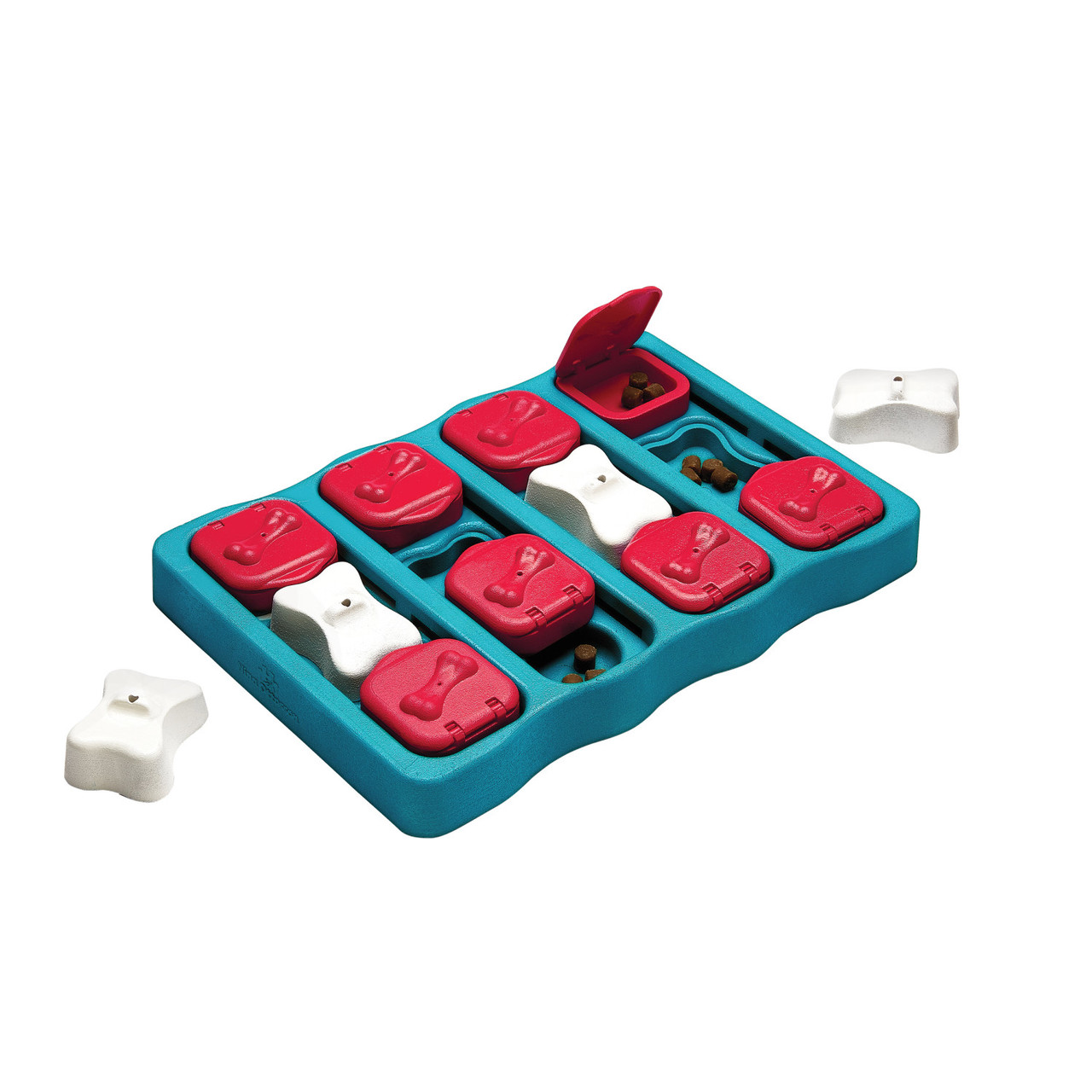
Nina Ottosson by Outward Hound Dog Brick Interactive Puzzle Toy
Provides essential mental stimulation to help tire out an anxious dog's brain and reduce nervous energy.
Shop this
WeatherBeeta Reflective Dog Parka
This insulated, waterproof coat provides essential warmth for short-coated or small dogs during cold winter walks.
Shop this
Dental Finger Wipes for Dogs and Cats, Fresh Breath, 50 ct
Textured finger wipes designed to gently clean teeth and gums as an alternative for dogs that won't yet tolerate a standard toothbrush.
Shop thisSnuffle Mat for Dogs - Feeding and Foraging, 23.6 x 15.7 in
Provides rewarding indoor foraging work to channel natural canine sniffing instincts away from lawn grass and roots.
Shop thisFloyd's Love is educational. Our lessons, breed guides, and personalized assessments are for general information and preparation only — they are not a substitute for professional veterinary care or advice from a qualified veterinarian or animal behaviorist. Always consult your vet for medical concerns and a qualified professional for behavior issues.