

Who this breed is NOT for
Families with small children, people wanting a quiet dog, or anyone expecting a rugged, low-maintenance pet.
Bred to do
A designer cross of Maltese and Yorkshire Terrier, bred as a tiny, bold, affectionate companion.
Exercise needs
Small but spirited — short walks and play. They have real energy for their size, and mental games help.
Temperament
Confident, lively, affectionate, and often vocal. Big personality, little body.
Trainability
Clever but willful, with a terrier streak. Housetraining and barking need early, patient work.
With kids & pets
Best with calm older kids; too delicate for toddlers. Can be bossy with other dogs despite their size.
Living situation
Apartment-friendly, but the barking needs managing in close quarters.
Grooming & shedding
Low shedding, high upkeep — the fine coat tangles easily and needs regular brushing and grooming.
Health & costs
Watch dental disease, luxating patella, collapsing trachea (use a harness, not a collar), and low blood sugar in tiny pups.
Best fit
Owners who want a tiny, devoted companion with personality and will stay on top of grooming, dental care, and barking.
Free guide
Get the free Morkie owner guide
The honest first-90-days checklist, plus the questions to answer before you bring one home.
No spam, and you can leave any time.
A note from Kerri
Morkies are hilarious, bold little characters — but people underestimate the terrier half. That bark and that stubbornness are real. Start training and gentle socializing on day one, and always use a harness; those little throats are fragile.
— Kerri, founder of Floyd's Love
Gear Kerri recommends
A few things that make this easier. As an Amazon Associate, Floyd's Love earns from qualifying purchases — at no extra cost to you.

Casfuy 2-Speed Electric Rechargeable Dog Nail Grinder
A quiet, rechargeable nail grinder that provides a gentle alternative to clippers for at-home nail maintenance.
Shop this
Hertzko Self-Cleaning Slicker Brush
An effective tool for daily brushing to prevent mats and distribute healthy oils across your dog's coat.
Shop this
Oxyfresh Advanced Ear Cleanser for Dogs & Cats
A gentle, vet-approved ear cleaner that helps remove wax and debris without the use of harsh chemicals.
Shop this
Virbac C.E.T. Dual-Ended Dog Toothbrush
A soft-bristled brush with a small head is ideal for the final stage of the week-by-week plan to reach the outer surfaces of the teeth.
Shop this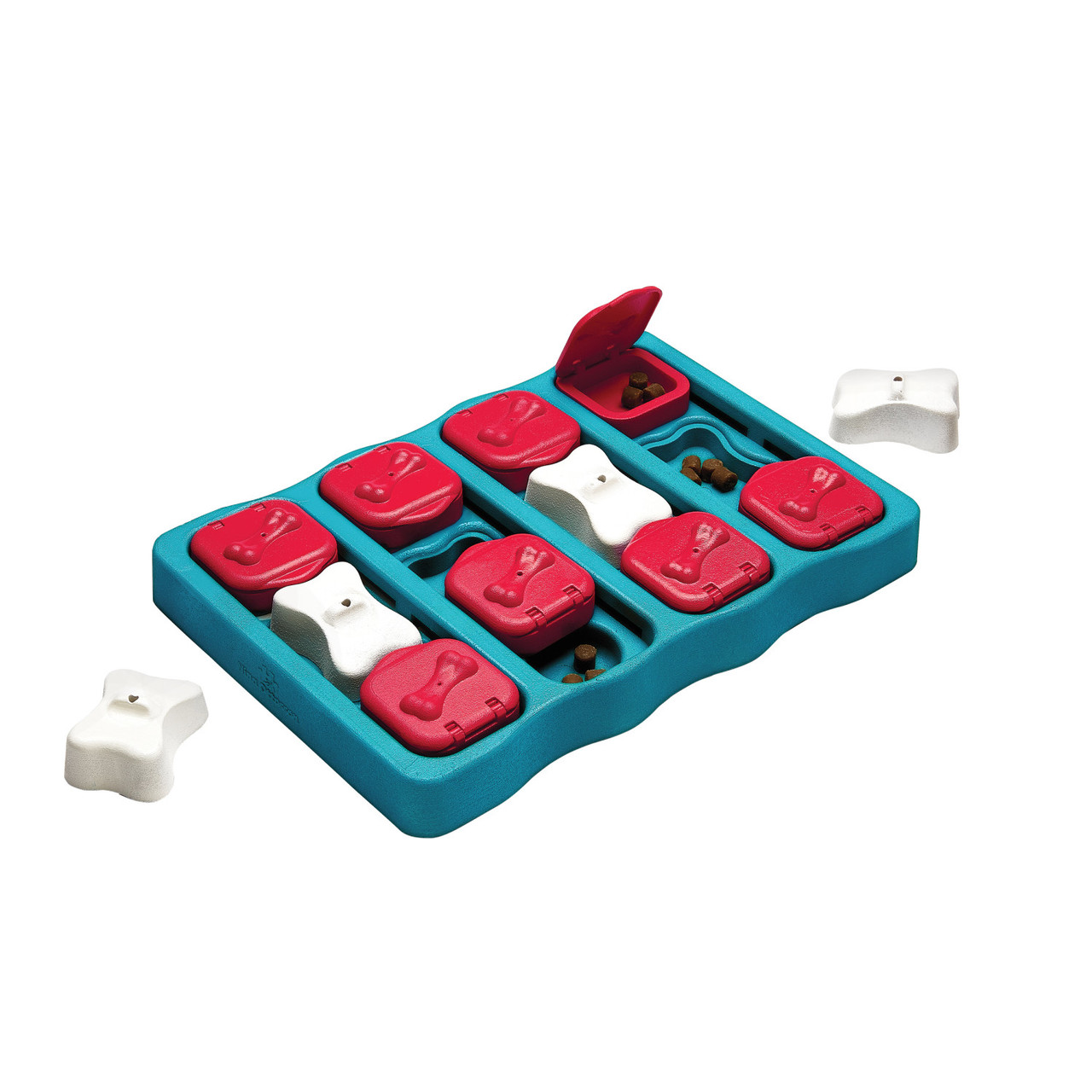
Nina Ottosson by Outward Hound Dog Brick Interactive Puzzle Toy
Provides essential mental stimulation to help tire out an anxious dog's brain and reduce nervous energy.
Shop this
WeatherBeeta Reflective Dog Parka
This insulated, waterproof coat provides essential warmth for short-coated or small dogs during cold winter walks.
Shop thisFloyd's Love is educational. Our lessons, breed guides, and personalized assessments are for general information and preparation only — they are not a substitute for professional veterinary care or advice from a qualified veterinarian or animal behaviorist. Always consult your vet for medical concerns and a qualified professional for behavior issues.