
Who this breed is NOT for
People wanting a low-shed, low-vocal dog, or anyone who can't commit to grooming.
Bred to do
A Scottish herding breed (the classic 'Lassie' collie) bred to drive and watch over sheep — intelligent, sensitive, and attuned to their family.
Exercise needs
Moderate — daily walks and play with room to move. Happiest with an activity or job, but not hyper.
Temperament
Gentle, devoted, sensitive, and famously good-natured. Watchful and often vocal; alerts readily.
Trainability
Highly trainable and eager to please — one of the easier working breeds for a regular home.
With kids & pets
An excellent, patient family dog; genuinely good with kids and other pets.
Living situation
Prefers a home with space; adapts to suburban life with exercise. The barking suits a house better than a thin-walled apartment.
Grooming & shedding
Heavy shedder with a long double coat (a smooth-coat variety exists); weekly brushing and seasonal blowouts.
Health & costs
Watch for the MDR1 gene (drug sensitivity — test and tell your vet), eye anomalies (Collie Eye), and hip issues.
Best fit
Families wanting a gentle, trainable, devoted dog who don't mind brushing and some barking.
Free guide
Get the free Rough Collie owner guide
The honest first-90-days checklist, plus the questions to answer before you bring one home.
No spam, and you can leave any time.
A note from Kerri
The Lassie dog really is that sweet — sensitive, loyal, wonderful with kids. Two things people forget: the coat sheds like a snowstorm, and the MDR1 drug sensitivity is real, so make sure your vet knows. Beyond that, a lovely family dog.
— Kerri, founder of Floyd's Love
Gear Kerri recommends
A few things that make this easier. As an Amazon Associate, Floyd's Love earns from qualifying purchases — at no extra cost to you.

Hertzko Self-Cleaning Slicker Brush
An effective tool for daily brushing to prevent mats and distribute healthy oils across your dog's coat.
Shop this
Outward Hound Fun Feeder Slo Bowl
A critical preventative tool for deep-chested breeds to help avoid Bloat (GDV) by slowing down eating and reducing air ingestion.
Shop this
WeatherBeeta Reflective Dog Parka
This insulated, waterproof coat provides essential warmth for short-coated or small dogs during cold winter walks.
Shop this
Dental Finger Wipes for Dogs and Cats, Fresh Breath, 50 ct
Textured finger wipes designed to gently clean teeth and gums as an alternative for dogs that won't yet tolerate a standard toothbrush.
Shop this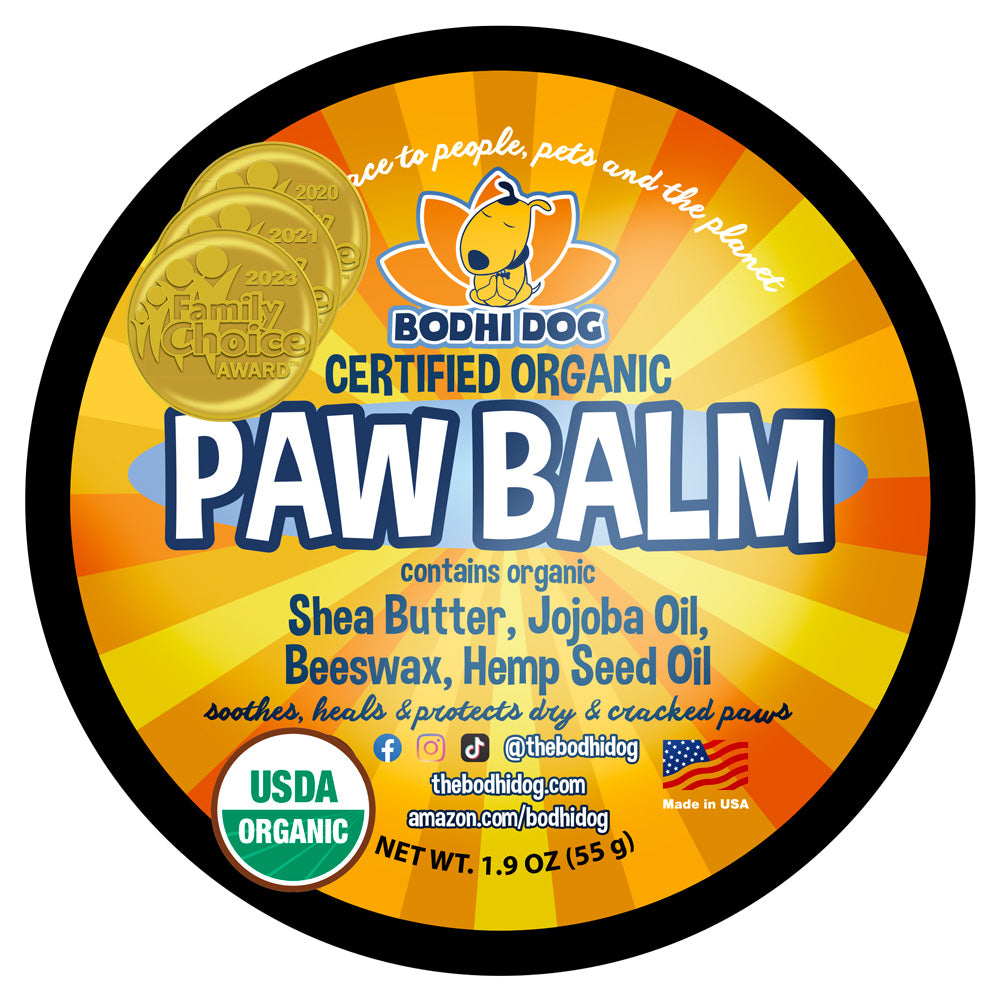
Bodhi Dog Paw Balm
Soothes and protects dog paw pads exposed to rough summer walks and hot pavement heat.
Shop thisLuciphia Super Soft Warm Flannel Fleece Dog Blanket
Helps warm up small or thin-coated dogs shivering from chilly indoor or outdoor temperatures.
Shop thisFloyd's Love is educational. Our lessons, breed guides, and personalized assessments are for general information and preparation only — they are not a substitute for professional veterinary care or advice from a qualified veterinarian or animal behaviorist. Always consult your vet for medical concerns and a qualified professional for behavior issues.