

Who this breed is NOT for
First-time or low-energy owners, apartment dwellers, or anyone unprepared for the shedding and the deafness/urinary considerations.
Bred to do
Bred as a coaching dog to run alongside carriages (and later firehouses) — built for endurance and miles.
Exercise needs
High — needs real running and daily vigorous exercise. A bored, under-exercised Dalmatian is destructive.
Temperament
Energetic, playful, loyal, and sometimes aloof with strangers. Athletic and deeply people-bonded.
Trainability
Smart but independent and sensitive; needs consistent positive training and lots of socialization.
With kids & pets
Good with active older kids when raised together; the high energy can overwhelm toddlers. Socialize early.
Living situation
Needs an active home with space to run — a poor fit for sedentary or apartment life.
Grooming & shedding
Short coat but a famously relentless year-round shedder of stiff white hairs. Easy baths, constant vacuuming.
Health & costs
High rate of congenital deafness (ask for BAER testing) and a unique urate-stone issue needing a managed diet and constant water access.
Best fit
Active, experienced owners and runners who want an athletic companion and will train and exercise daily.
Free guide
Get the free Dalmatian owner guide
The honest first-90-days checklist, plus the questions to answer before you bring one home.
No spam, and you can leave any time.
A note from Kerri
Dalmatians are gorgeous, and the 101 Dalmatians effect never fully wore off — which is exactly why so many end up in rescue. This is a serious athlete with real health quirks. Fantastic for the right active home, heartbreak for the wrong one.
— Kerri, founder of Floyd's Love
Gear Kerri recommends
A few things that make this easier. As an Amazon Associate, Floyd's Love earns from qualifying purchases — at no extra cost to you.

Hertzko Self-Cleaning Slicker Brush
An effective tool for daily brushing to prevent mats and distribute healthy oils across your dog's coat.
Shop this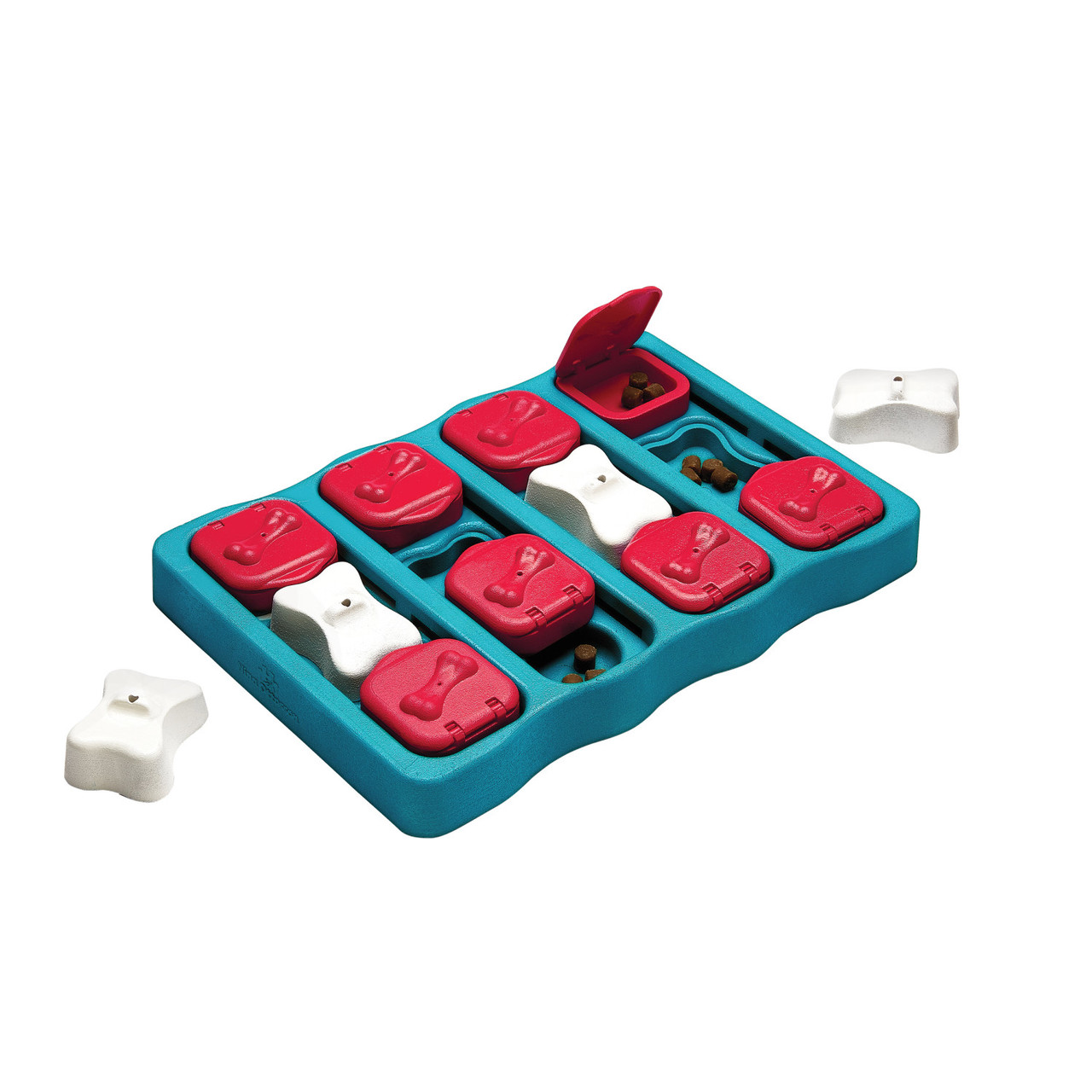
Nina Ottosson by Outward Hound Dog Brick Interactive Puzzle Toy
Provides essential mental stimulation to help tire out an anxious dog's brain and reduce nervous energy.
Shop this
WeatherBeeta Reflective Dog Parka
This insulated, waterproof coat provides essential warmth for short-coated or small dogs during cold winter walks.
Shop this
ARCA PET Cat & Dog First Aid Kit with Digital Thermometer, Muzzle & Mini Kit
A comprehensive pre-built pet kit that includes essentials called out in the guide like a digital thermometer, emergency muzzle, vet wrap, and tick remover.
Shop thisLuciphia Super Soft Warm Flannel Fleece Dog Blanket
Helps warm up small or thin-coated dogs shivering from chilly indoor or outdoor temperatures.
Shop thisFloyd's Love is educational. Our lessons, breed guides, and personalized assessments are for general information and preparation only — they are not a substitute for professional veterinary care or advice from a qualified veterinarian or animal behaviorist. Always consult your vet for medical concerns and a qualified professional for behavior issues.