

Who this breed is NOT for
Sedentary or apartment homes, first-timers wanting an easy couch dog, or anyone who can't meet the exercise needs.
Bred to do
A French pointing and retrieving gundog — compact, athletic, and built to hunt all day.
Exercise needs
Very high — daily running, fetch, and mental work. One of the most athletic medium dogs; they need an outlet.
Temperament
Bright, eager, affectionate, and sensitive; a true working dog that bonds closely.
Trainability
Highly trainable and eager to please, but sensitive — needs gentle, positive, consistent handling.
With kids & pets
Great with active families, kids, and other dogs; the energy suits older, active kids best.
Living situation
Needs an active home with space and exercise; unhappy as a sedentary apartment dog.
Grooming & shedding
Moderate shedding; the feathered coat needs regular brushing and occasional trimming.
Health & costs
One of the healthier sporting breeds; watch hip dysplasia and ear infections (those drop ears).
Best fit
Active, outdoorsy owners, hunters, and dog-sport people who want a mid-size, biddable, athletic companion.
Free guide
Get the free Brittany owner guide
The honest first-90-days checklist, plus the questions to answer before you bring one home.
No spam, and you can leave any time.
A note from Kerri
Brittanys are the 'just right' size for a lot of people — not too big, not too small — but don't let that fool you: the engine is enormous. If you run, hike, or play sports with your dog, they're a dream. If you want a calm homebody, keep looking.
— Kerri, founder of Floyd's Love
Gear Kerri recommends
A few things that make this easier. As an Amazon Associate, Floyd's Love earns from qualifying purchases — at no extra cost to you.

Hertzko Self-Cleaning Slicker Brush
An effective tool for daily brushing to prevent mats and distribute healthy oils across your dog's coat.
Shop this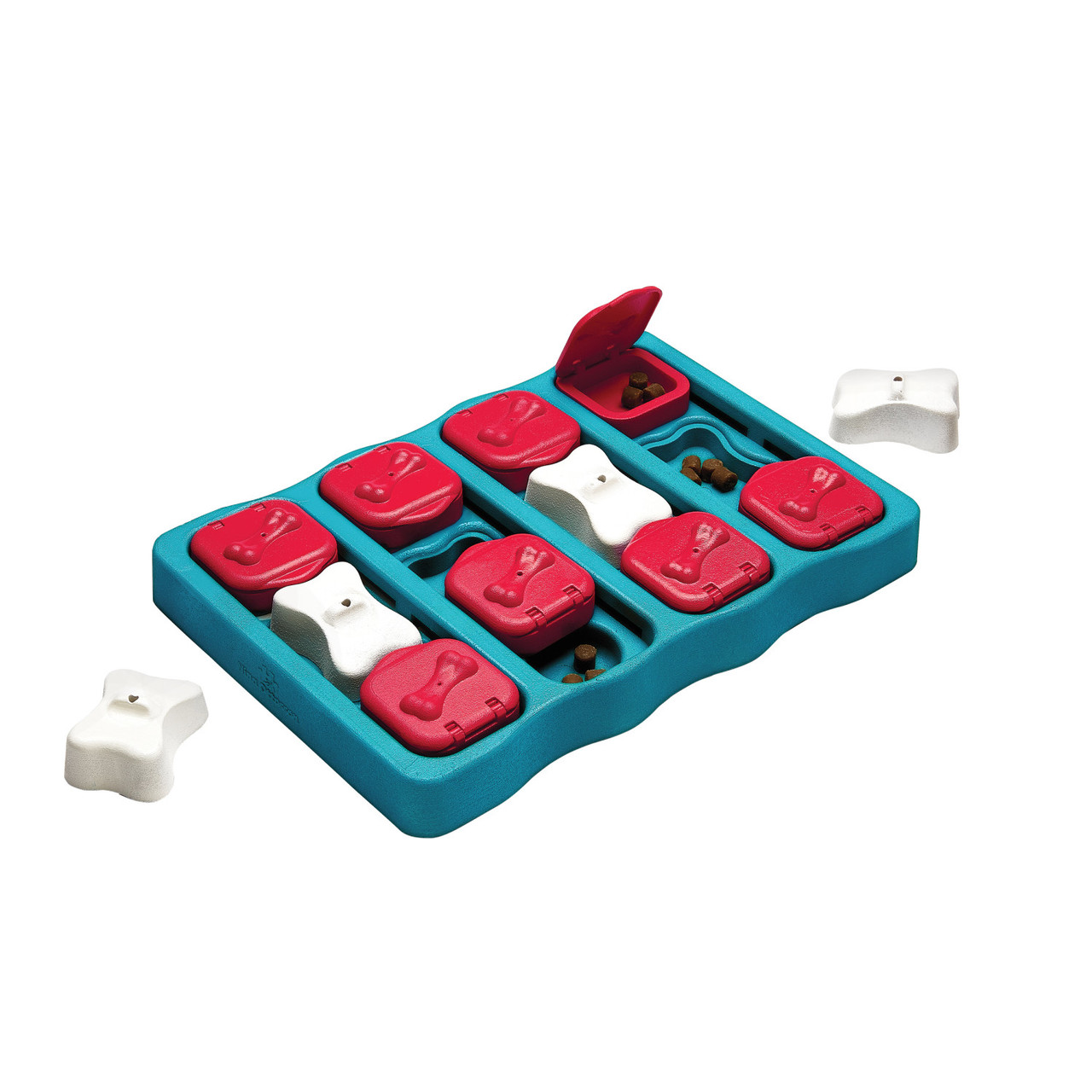
Nina Ottosson by Outward Hound Dog Brick Interactive Puzzle Toy
Provides essential mental stimulation to help tire out an anxious dog's brain and reduce nervous energy.
Shop this
WeatherBeeta Reflective Dog Parka
This insulated, waterproof coat provides essential warmth for short-coated or small dogs during cold winter walks.
Shop this
Dental Finger Wipes for Dogs and Cats, Fresh Breath, 50 ct
Textured finger wipes designed to gently clean teeth and gums as an alternative for dogs that won't yet tolerate a standard toothbrush.
Shop thisSnuffle Mat for Dogs - Feeding and Foraging, 23.6 x 15.7 in
Provides rewarding indoor foraging work to channel natural canine sniffing instincts away from lawn grass and roots.
Shop thisLuciphia Super Soft Warm Flannel Fleece Dog Blanket
Helps warm up small or thin-coated dogs shivering from chilly indoor or outdoor temperatures.
Shop thisFloyd's Love is educational. Our lessons, breed guides, and personalized assessments are for general information and preparation only — they are not a substitute for professional veterinary care or advice from a qualified veterinarian or animal behaviorist. Always consult your vet for medical concerns and a qualified professional for behavior issues.