

Who this breed is NOT for
Homes with very rough young kids, or anyone wanting a purely sedentary lapdog with no mental needs.
Bred to do
A European toy spaniel (named for its butterfly ears) bred as a refined companion — but with a surprisingly athletic, clever mind.
Exercise needs
More than you'd expect for a toy — daily walks and play plus mental games. One of the smartest toy breeds.
Temperament
Alert, friendly, confident, and lively; outgoing and affectionate without being fragile in personality.
Trainability
Exceptional — among the most trainable toy breeds; a star in agility and obedience. Loves to learn.
With kids & pets
Good with gentle older kids and other pets; too small for rough toddlers.
Living situation
An excellent apartment and small-home dog — tiny, adaptable, and portable, but needs mental stimulation.
Grooming & shedding
Moderate shedding; the single silky coat is relatively easy — regular brushing, no clipping needed.
Health & costs
Long-lived and fairly hardy; watch dental disease, luxating patella, and fragile bones in pups.
Best fit
Owners who want a small, smart, trainable companion with real personality — great for first-timers, seniors, and dog-sport fans alike.
Free guide
Get the free Papillon owner guide
The honest first-90-days checklist, plus the questions to answer before you bring one home.
No spam, and you can leave any time.
A note from Kerri
Papillons are the brainiacs of the toy world — people buy a dainty lapdog and discover a tiny genius who wants a job. Give them training games and they'll amaze you. One of my favorite small breeds, and they live a long, healthy time.
— Kerri, founder of Floyd's Love
Gear Kerri recommends
A few things that make this easier. As an Amazon Associate, Floyd's Love earns from qualifying purchases — at no extra cost to you.

Hertzko Self-Cleaning Slicker Brush
An effective tool for daily brushing to prevent mats and distribute healthy oils across your dog's coat.
Shop this
Oxyfresh Advanced Ear Cleanser for Dogs & Cats
A gentle, vet-approved ear cleaner that helps remove wax and debris without the use of harsh chemicals.
Shop this
Outward Hound Fun Feeder Slo Bowl
A critical preventative tool for deep-chested breeds to help avoid Bloat (GDV) by slowing down eating and reducing air ingestion.
Shop this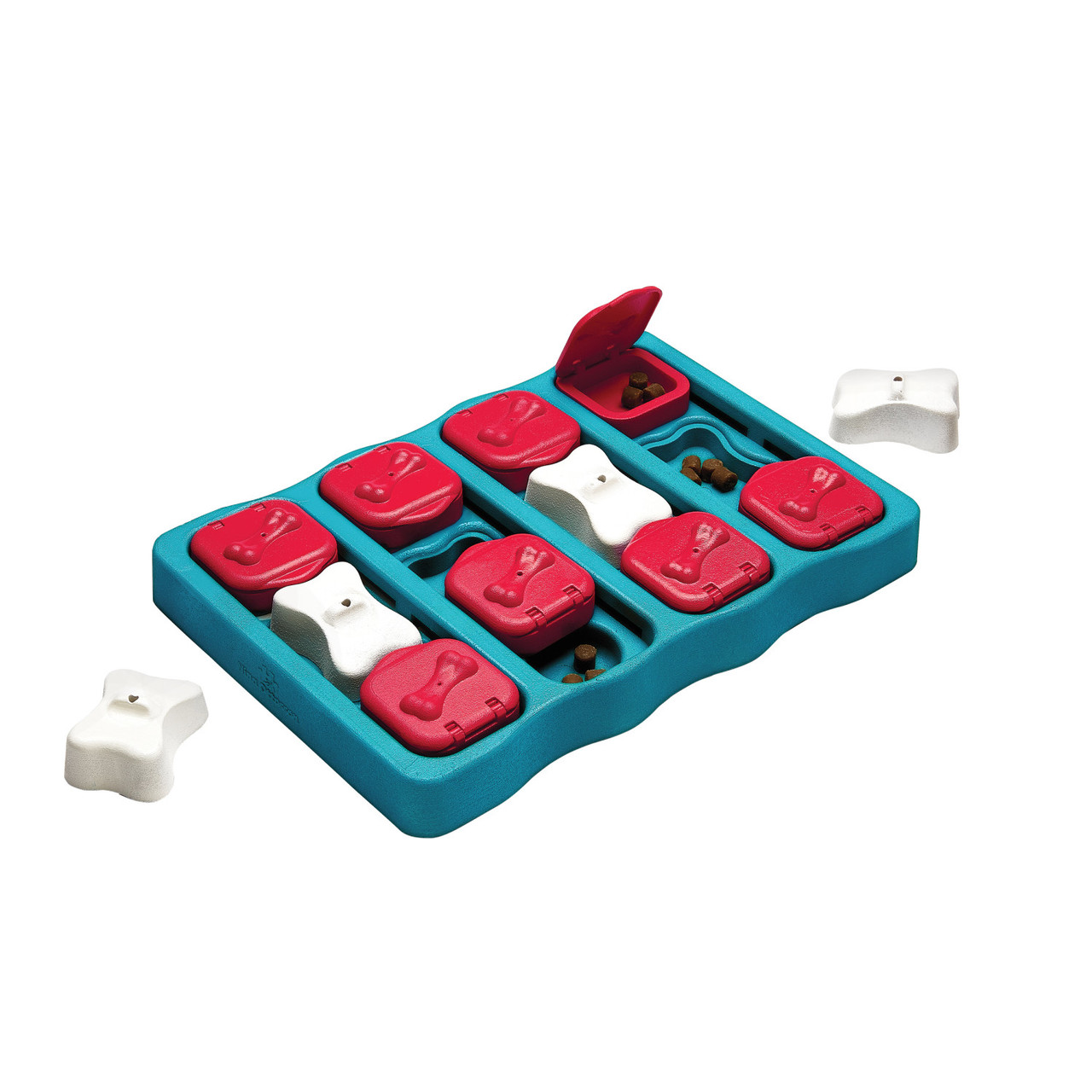
Nina Ottosson by Outward Hound Dog Brick Interactive Puzzle Toy
Provides essential mental stimulation to help tire out an anxious dog's brain and reduce nervous energy.
Shop this
WeatherBeeta Reflective Dog Parka
This insulated, waterproof coat provides essential warmth for short-coated or small dogs during cold winter walks.
Shop this
Dental Finger Wipes for Dogs and Cats, Fresh Breath, 50 ct
Textured finger wipes designed to gently clean teeth and gums as an alternative for dogs that won't yet tolerate a standard toothbrush.
Shop thisFloyd's Love is educational. Our lessons, breed guides, and personalized assessments are for general information and preparation only — they are not a substitute for professional veterinary care or advice from a qualified veterinarian or animal behaviorist. Always consult your vet for medical concerns and a qualified professional for behavior issues.